
Project 0 to 100: Guillaume Millet takes stock after the 2026 UTMB ETC
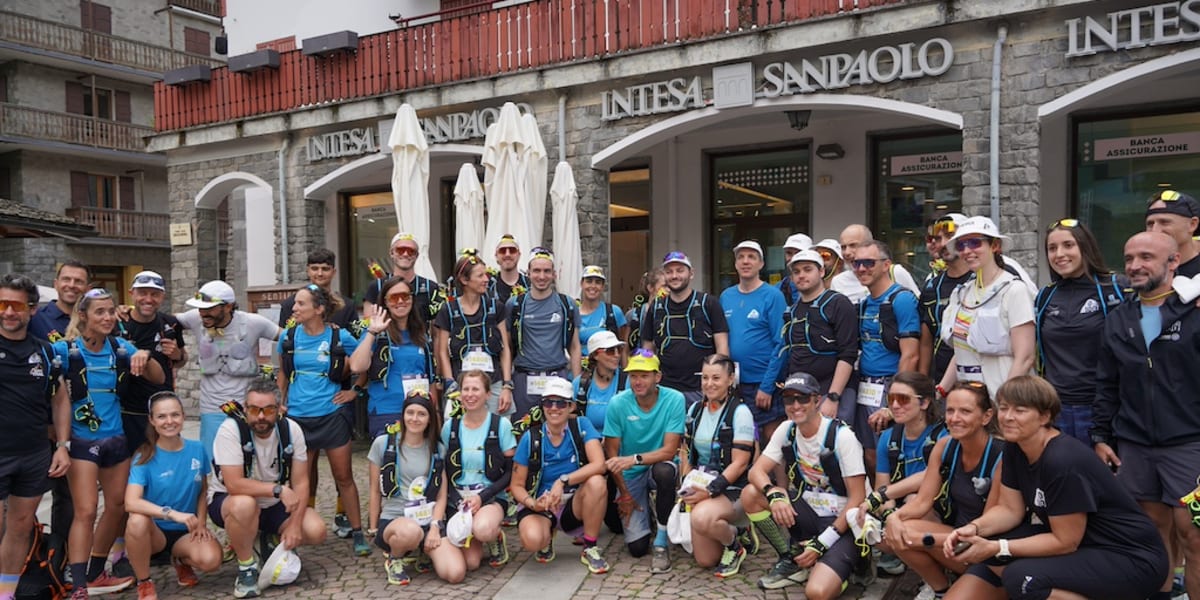
Last February, exercise physiologist Guillaume Millet launched his “0 to 100” project, selecting 40 sedentary people and aiming to get 80% of them to the CCC 2027, a 100 km UTMB Mont-Blanc race with 6,000 m of elevation gain, after 18 months of training. The goal was to scientifically demonstrate the striking benefits of intense physical activity on physiology, including endurance, muscle quality, strength and power, as well as on health, quality of life, fatigue, body composition and sleep. After six months of physical preparation, the 40 participants faced their first race test last August at the 2026 UTMB ETC, covering 15 km with 1,200 m of elevation gain. Guillaume Millet looks back on the result and outlines what comes next.
Guillaume, what stands out from this first race test at the 2026 ETC?
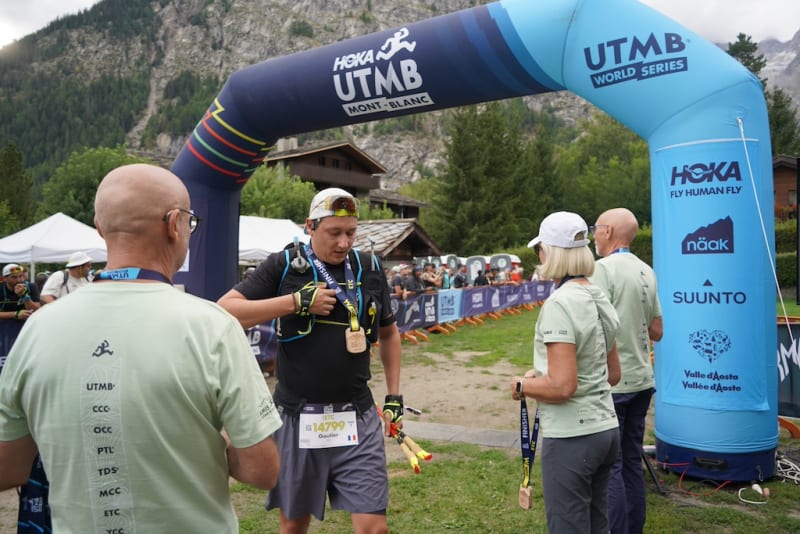
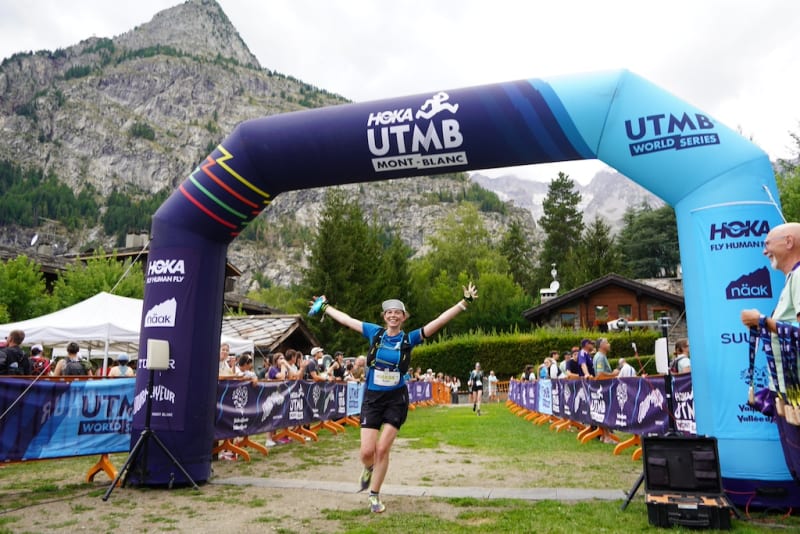
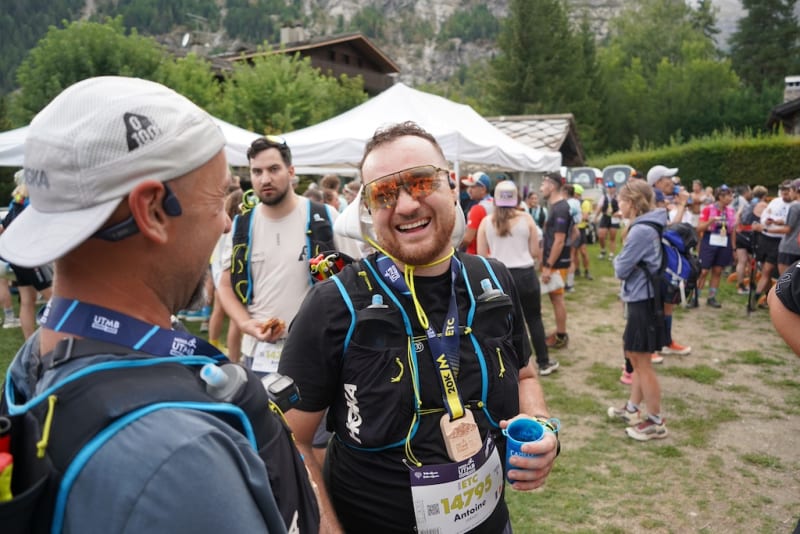
First of all, it’s a serious trail race. On paper, 15 km doesn’t sound like much, but with the elevation gain and technical terrain, the ETC turned out to be a real challenge. I hadn’t realised just how tough it was. When I started climbing towards the aid station, I began to wonder whether it might be a bit too hard, whether our athletes were really ready for this yet, even with fairly generous cut-offs.
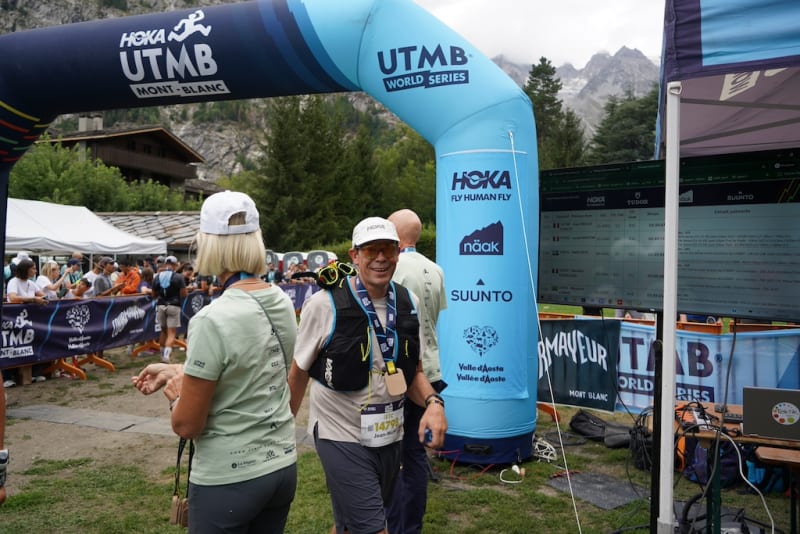
In the end, 37 of the 40 participants made it through. So the vast majority of those who started succeeded, which was a very pleasant surprise. The first lesson is that everyone made good progress in six months, despite not having trained specifically for that much elevation gain.
So the plan has gone almost entirely according to schedule?
It has gone very well, not just in this race but since the programme began. I’m keeping my fingers crossed, because that doesn’t mean it will continue, but so far we could hardly have hoped for more. All 40 participants are still involved, and that was far from guaranteed. Another positive has been the atmosphere they’ve created among themselves. They’re genuinely close-knit. They remain motivated, including the three who didn’t finish the ETC but quickly regained their focus. Everyone knows it will be hard to make it all the way to the CCC, but if they stay consistent and handle the upcoming big training weekends well, there’s no reason they can’t do it. The difficulty of the CCC lies less in its distance and elevation gain than in the cut-offs. They’re pretty tough.
Do you think the adrenaline of competition also influenced the outcome at the ETC?
In any case, they were completely invested. You could tell it really mattered to them. And they’re fully committed to the project in general too, sometimes almost a little too much. So we’re also mindful of the impact this project has on their lives. We’ve arranged mental support and even psychological supervision.
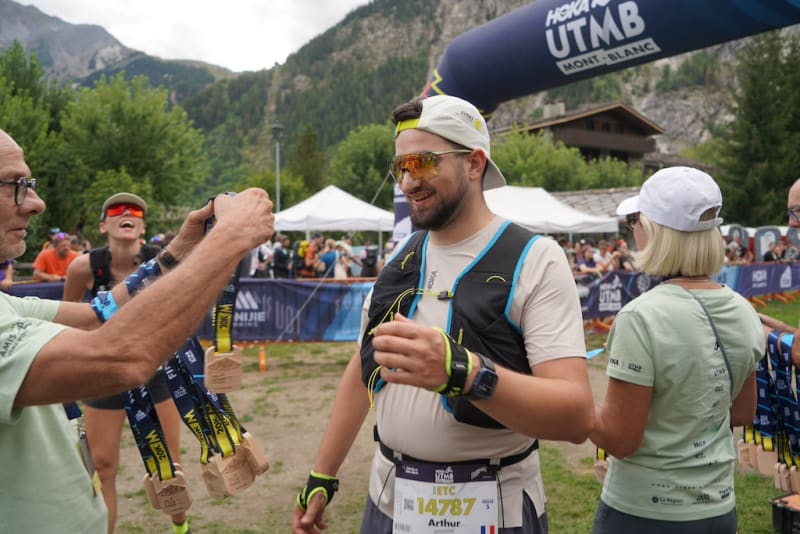
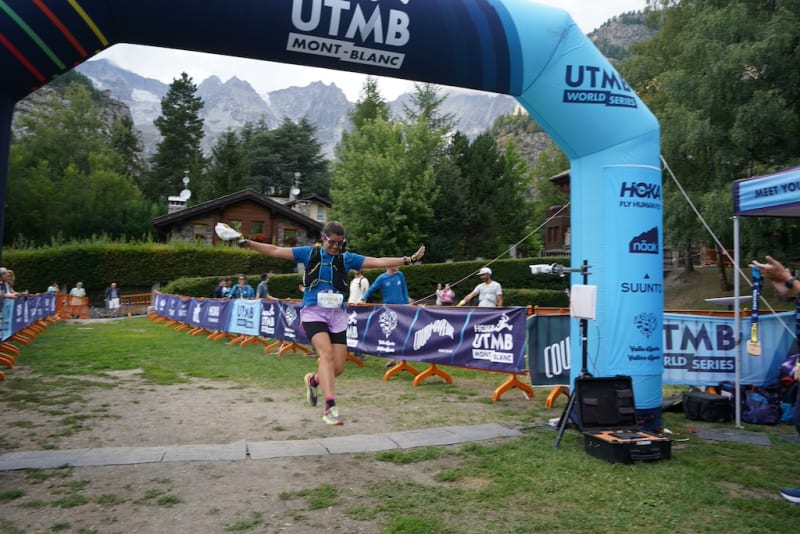
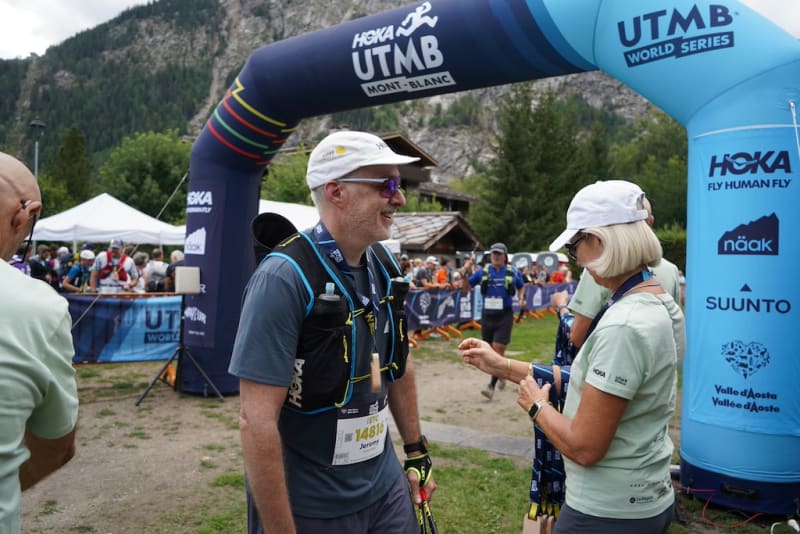
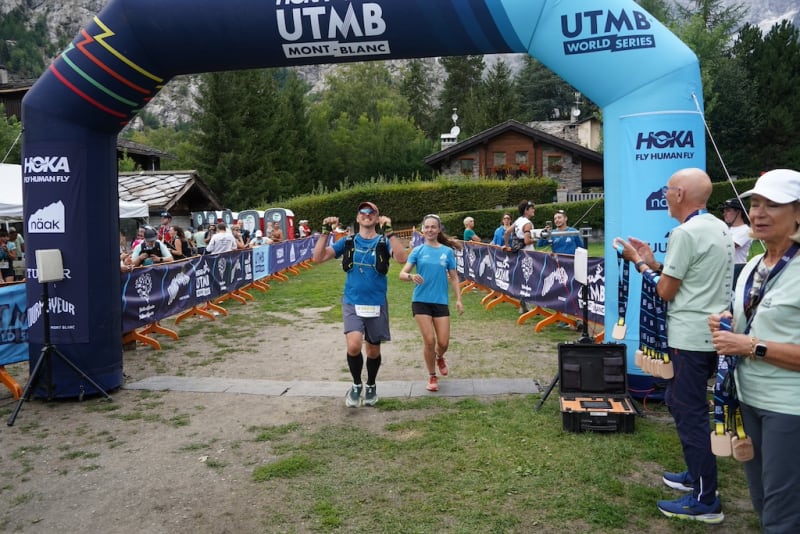
None of the 40 had ever worn a race bib or taken part in a competition before the ETC?
Some had played a little football, gone swimming or done a few runs when they were younger. But the basic premise was that they had been genuinely sedentary for several years. One of them had run a marathon after making a bet with a friend. He finished in 7:42, basically walking the whole way, so we accepted him. On the other hand, we discovered that another applicant had run Marseille-Cassis in a respectable time, so we excluded him, even though he hadn’t meant to mislead us: he had told us he hadn’t trained. The minimum age for the study was 25, so the youngest participant had necessarily taken part in PE classes at school only a few years earlier, but that doesn’t amount to much. Everyone was starting from a very low base. Some from an exceptionally low one.
Were you surprised by any unexpected abilities?
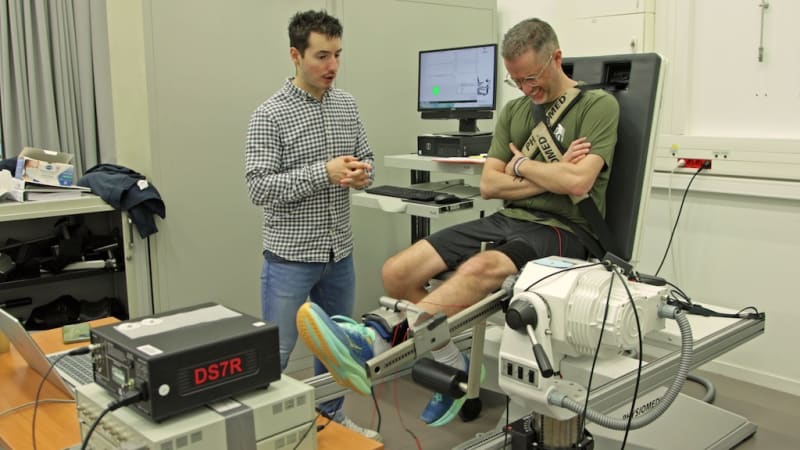
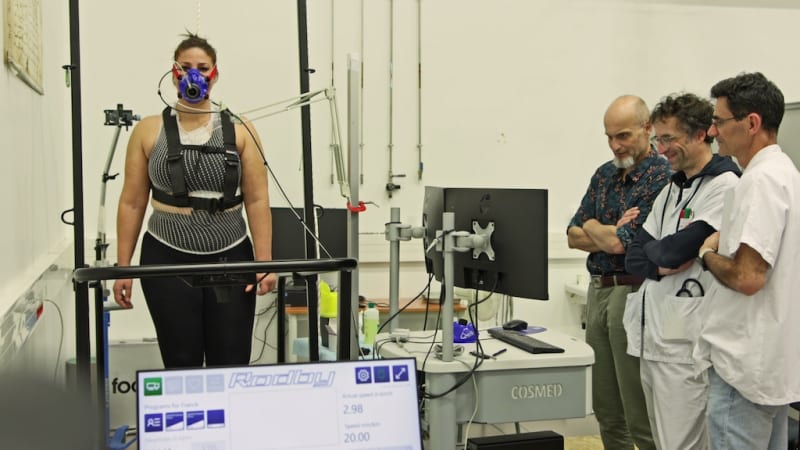
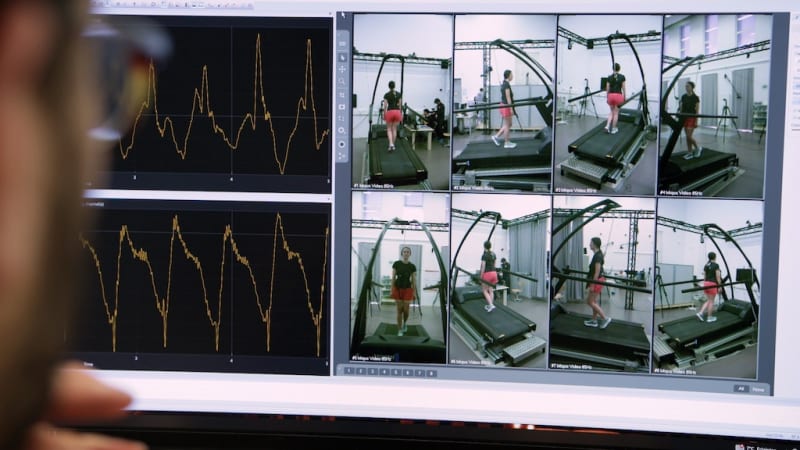
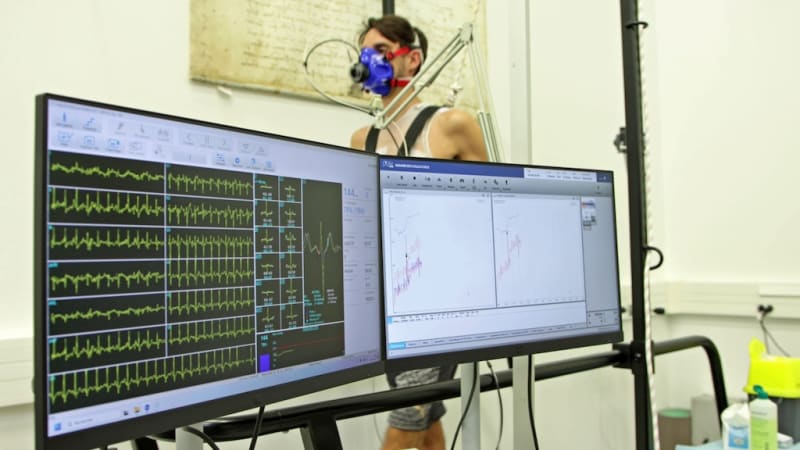
Yes. Some had strong baseline figures, to the point that we wondered whether they were really sedentary. But I put that down to qualities they had developed during adolescence or early adulthood. Others have innate advantages, such as a good VO2 max, around 40 or 45 ml/min/kg. They’re very lean and not carrying excess weight. At the other end of the scale, some are starting a long way back, with a VO2 max of 25 ml/min/kg. They’re all sedentary, but they’re not all starting from the same place.
 © Philippe Allante
 © Philippe Allante
 © Philippe Allante
 © Philippe Allante
Has the next competitive milestone already been planned?
We’ve approved four races between now and the CCC, with each participant required to do two of them, including at least one over 40 or 50 km in early summer. We’ve also approved a 10–15 km race in late December and a 20–30 km race in March. Now that they’re a little more trained, they want to race. But they shouldn’t overdo it.
I’m worried about the winter period, and also about the fact that they’ll need to train a little more in 2027 to reach the goal. But everyone is still motivated.
Are you worried about the winter period?
Yes, because that’s when things will really be decided, and we’ve warned them about it. With fatigue and winter weather, they may be less motivated. That’s also why we’ve allowed a race in December, to help maintain a minimum level of motivation. So far, they’ve had the easy part: they received their kit, ran in the sunshine in Chamonix and enjoyed the excitement of the UTMB. After that, the days will get shorter and things will become less straightforward.
I’m also concerned about the fact that they’ll need to train a little more in 2027. So far, they’ve been training for five or six hours a week. When that rises to ten or twelve hours a week, I’m worried they’ll start sacrificing sleep, on top of the demands of their professional and personal lives. They’re not used to organising their lives around training, so they’ll have to adapt.
So the next major block will focus on intensity?
When you’re starting out, it’s fairly straightforward to build up the chassis, but improving the engine is more complicated. That’s the next stage of the programme run with École de Trail: introducing intensity to increase the engine’s power, while avoiding injury if possible. We’ve already had some injuries, but we were able to manage them and get those participants back on track, thanks to the physios at another of our partners, La Clinique du Coureur.
Until now, we’ve focused the preparation on strength and conditioning. We’re now starting a four-month block in which the volume won’t increase very much, but the training load will rise through greater intensity. That will take us into January, after which we’ll increase the volume and start introducing parts of big training weekends.

How many group training camps are planned?
We’ve already held one. We’ll meet in Besançon at the end of October, then near Annemasse. We’ll probably add a fourth block in La Rosière in early July. It won’t be mandatory, but it will be strongly recommended, on terrain similar to the CCC course.
PROJECT 0 TO 100 IN BRIEF
40 participants, 20 women and 20 men
Aged between 25 and 50
Completely sedentary and inactive
18 months to go from a sedentary lifestyle (0 km) to the start line of the CCC/UTMB (100 km / 6,000 m of elevation gain) in Chamonix
11 École de Trail coaches to train them
A weekly programme and personalised monitoring for each participant
Three or four big training weekends bringing together all participants and staff for training, classes and theory sessions
Five laboratory visits for assessments and testing in Saint-Étienne
Three sporting milestones before the main goal: the ETC (15 km) at UTMB Chamonix in August 2026, a race in mid-December, a 20–30 km race in early March, and a 40 km race in late spring 2027
Info: www.0to100.fr