
Trail Test Camp: Our Trail Shoe Test Summaries for the All Mountain Category
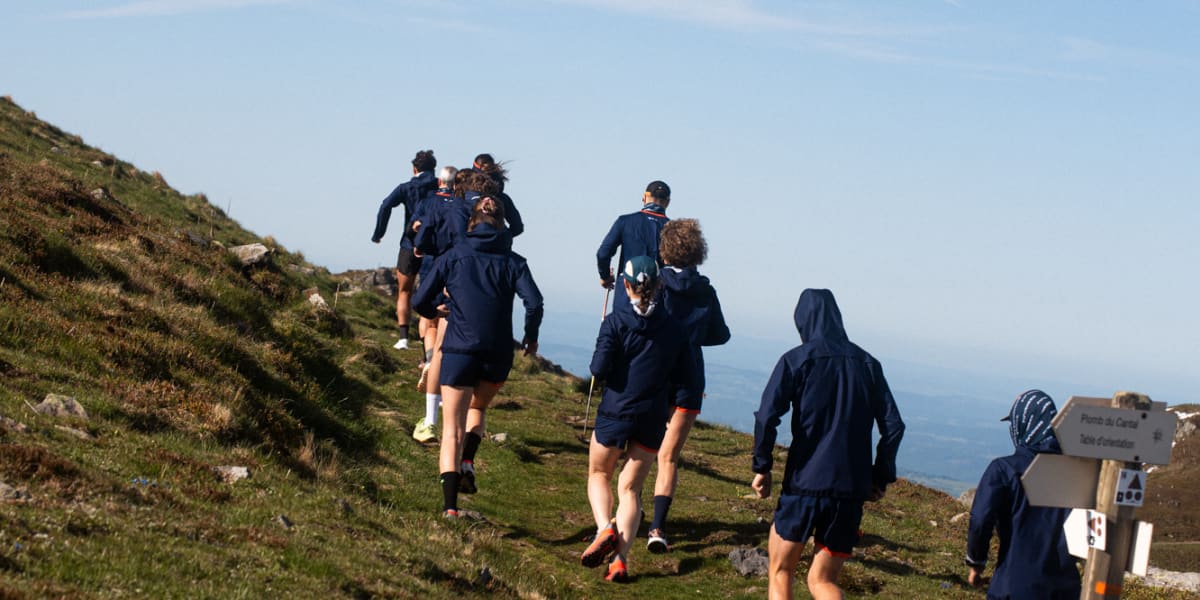
Powered by Finishers and MY TRAILS, the inaugural Trail Test Camp brought together 20 runners, 10 men and 10 women of all abilities, in Le Lioran, Cantal, from May 18 to 21. Their mission was a first-of-its-kind experience: independently testing, comparing and assessing the best trail shoes on the market. Behind this ambitious concept was a simple but radical idea: put terrain and feel back at the heart of product evaluation. Based on feedback from these varied profiles, a summary was written for every shoe across four categories: Gravel-All Round, Ultra, All Mountain and Race. This is the third instalment, focusing on the All Mountain category.


► CATEGORY: ALL MOUNTAIN
Versatile shoes designed for all types of terrain, from rolling, undulating paths to technical mountain trails. Trail All Mountain shoes strike a balance between comfort, responsiveness and protection, adapting to every distance and situation.
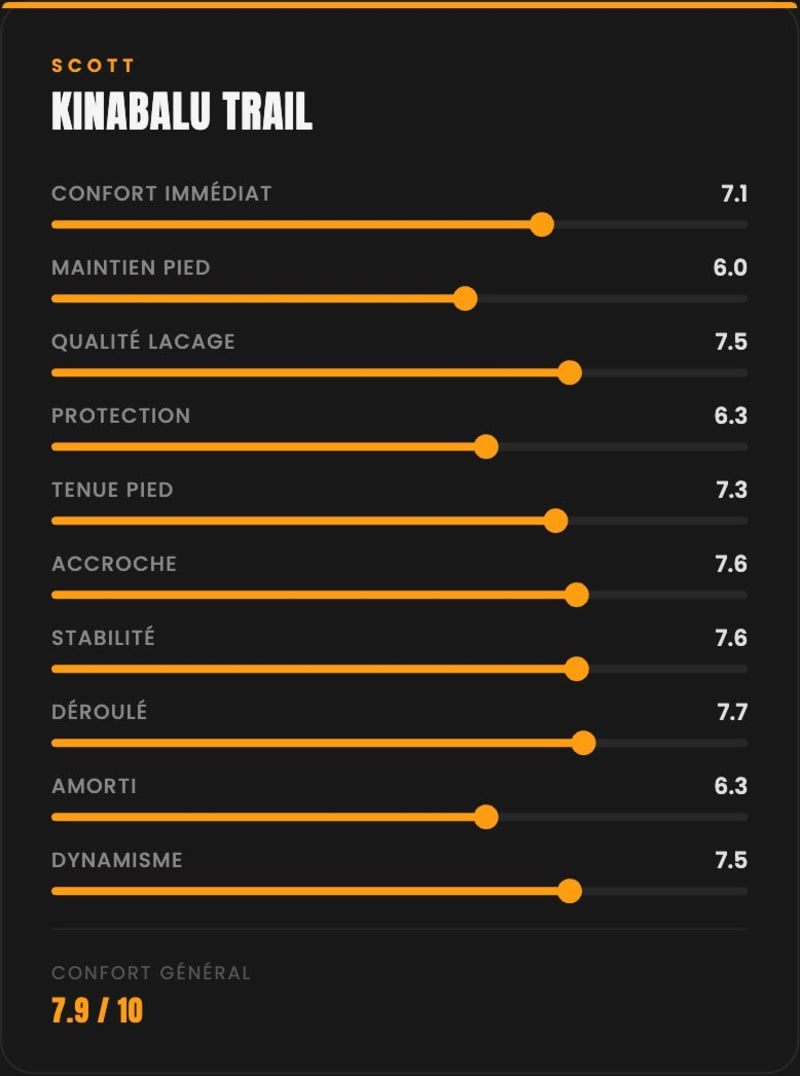
SUMMARY – SCOTT KINABALU TRAIL

➜ The Scott Kinabalu Trail sits in the All Mountain category as a lightweight, lively shoe that prioritises agility and energy return across a wide variety of trails.
Straight out of the box, it delivers immediate comfort, often described by testers as feeling like a bucket seat, thanks to a thin, flexible tongue that wraps closely over the instep. The fit features a wide toe box with plenty of room in the forefoot, improving long-duration comfort while maintaining an overall precise fit. The main recurring technical drawback concerns the lacing system: nearly half the testers found the laces too thin and slippery, making it harder to achieve a secure, consistent lockdown. A minority of testers also reported potential discomfort around the collar height.
On the move, low weight and responsiveness are the model’s defining qualities, confirmed by more than two-thirds of the feedback. The cushioning is firm but delivers effective energy return, making the shoe particularly playful and reactive when accelerating on flat or uphill sections. This lively feel is backed up by reliable grip: the outsole and pronounced lugs provide strong traction across a range of surfaces, including soft ground and wet sections, inspiring confidence in every footstrike.
Foot hold and stability are judged satisfactory across most terrain, with the low-to-the-ground platform helping with precise foot placement. However, stability can falter on steeper or off-camber trails, where the flexible foam and lightweight upper may allow the foot to shift slightly inside the shoe. Protection is a clear technical compromise for the category: more than half the testers pointed to a lack of lateral reinforcement and a toe bumper they considered too minimal or lacking coverage. While this design helps keep the shoe light and the mesh breathable, it leaves the foot more exposed to direct impacts in rock gardens and highly rugged mountain terrain.
The Scott Kinabalu Trail is aimed at light- to mid-weight runners looking for an agile, high-performing shoe for races from 10 to 50 km. Its lively ride and excellent ground feel make it a strong option for experienced runners looking to optimise their pace on varied trails, provided they accept limited protection on the roughest high-mountain routes.
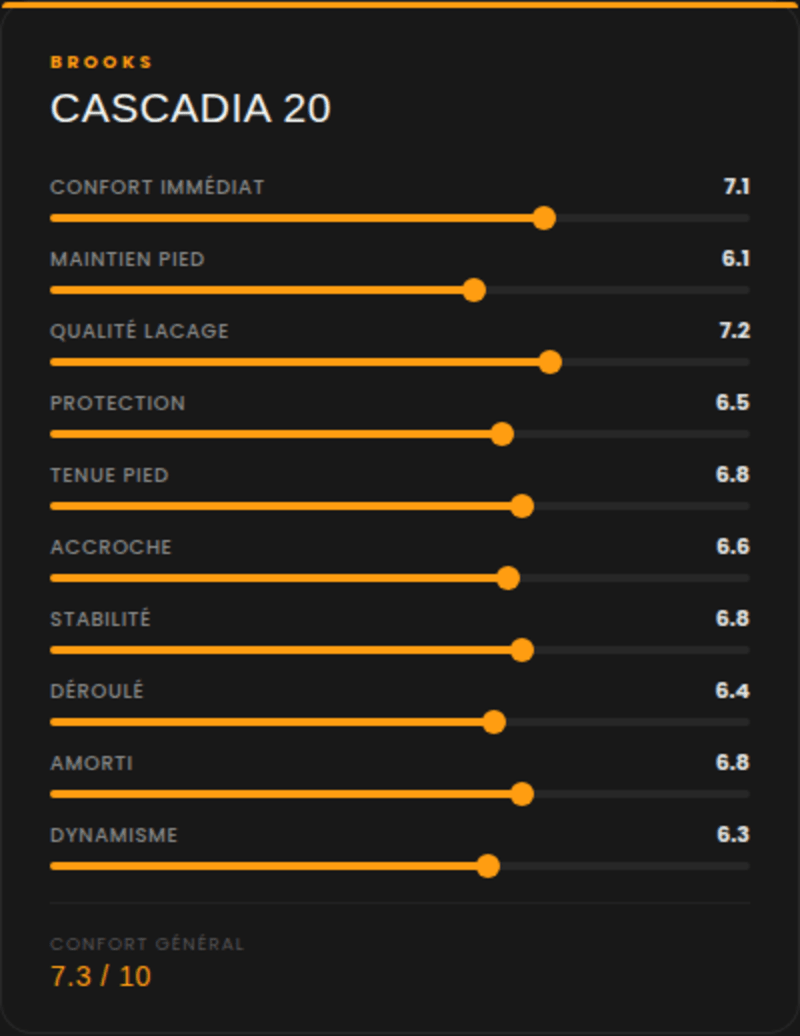
SUMMARY – BROOKS CASCADIA 20

➜ The Brooks Cascadia 20 is a versatile Trail / All Mountain shoe designed to balance protection and comfort across varied routes.
It delivers a notably comfortable step-in feel, described as plush by a large majority of testers. Generous padding around the collar and heel makes for a smooth entry and immediate comfort. The lacing system, with flat laces running through an elastic lace keeper on the tongue, provides effective initial hold. The fit is nevertheless on the snug side, with some users finding the toe box narrow, improving precision at the expense of room for wider feet.
On the move, foot hold and stability are the model’s main areas of concern. While support is considered adequate on non-technical trails, more than half of the feedback points to marked instability once the terrain becomes technical or off-camber. The ankle can lack support on unstable ground, reducing confidence when tackling high-mountain terrain. The sole’s ride, by contrast, is praised for its balance of comfort and responsiveness: it delivers smooth, energetic transitions on flat and uphill sections, helped by a rocker that eases the stride transition.
Grip is one of the Brooks Cascadia 20’s standout qualities. The outsole, fitted with effective lugs and Vibram technology, provides dependable traction across a wide range of surfaces, including rock gardens and soft ground. Protection is another clear strength, thanks to a solid toe bumper that covers the forefoot well and a sufficiently thick sole that filters out uneven ground and rocky impacts. The mesh can feel thick and less breathable in hot weather, but it adds structure and overall durability to the upper.
This model is a versatile option for runners of all levels looking for a stable, robust shoe for distances from 20 to 60 km. Its protective cushioning and technical grip make it particularly suited to mid-mountain routes and varied terrain, for runners who prioritise protection and long-haul comfort while accepting a stability limit on the steepest trails.
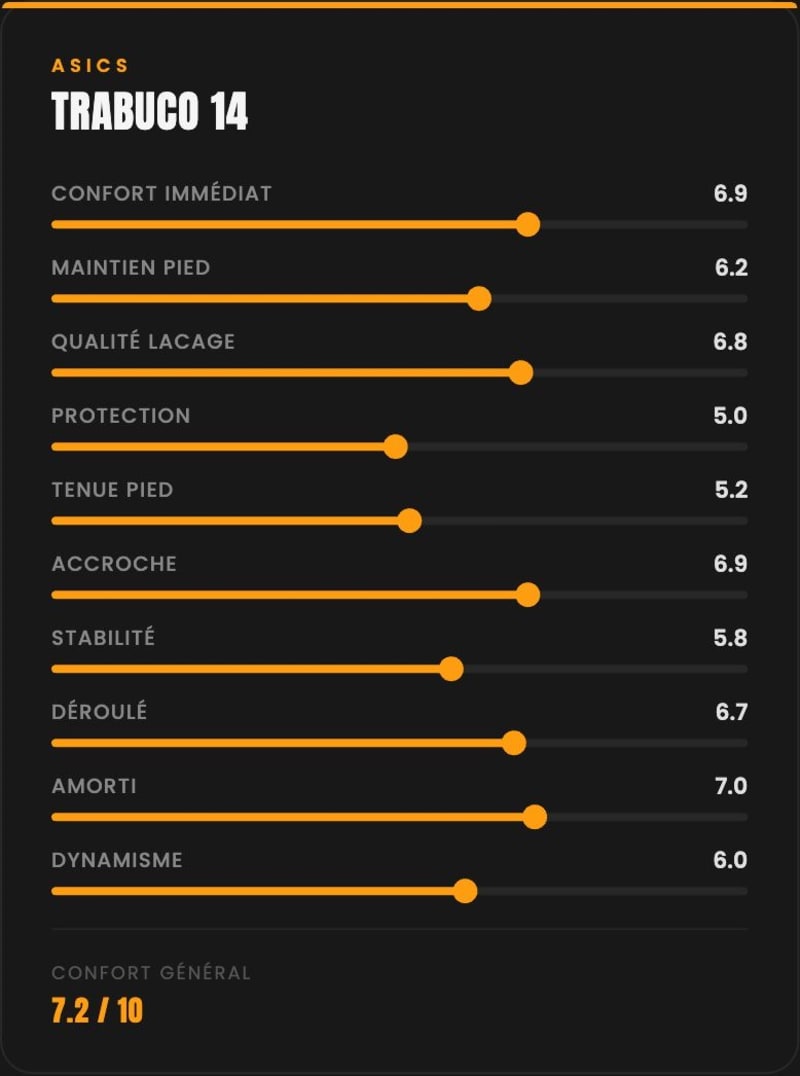
SUMMARY – ASICS TRABUCO 14
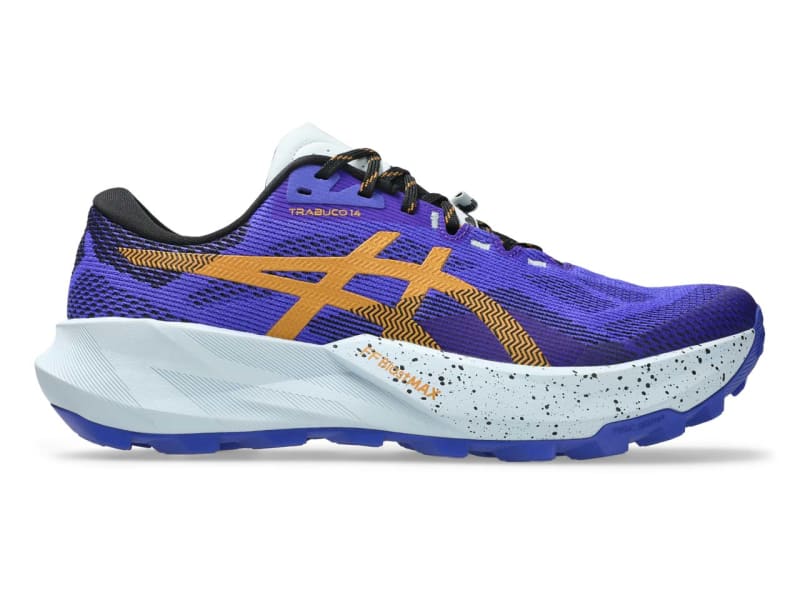
➜ The ASICS Trabuco 14 is a versatile All Mountain trail shoe focused on ground filtering and day-long comfort rather than outright performance.
It offers a highly comfortable step-in feel, with generous collar padding and a thick tongue that effectively protects the instep from pressure points. Its slipper-like feel is a consistent feature, delivering immediate softness that was confirmed by the vast majority of testers. The flat-lace system provides adequate initial hold and includes a practical elastic lace keeper. The fit has plenty of volume, particularly in the toe box, giving wider feet welcome freedom of movement, although runners seeking a closer fit may find the foot moves around inside the shoe.
On the move, foot hold and stability are the model’s main weakness. Strong feedback points to limited lateral support caused by the highly flexible mesh and midsole foam. On technical trails, off-camber ground and rock gardens, the shoe feels notably unstable: the heel lacks lockdown and the foot tends to twist inside the upper. This structural trait calls for a reduction in pace as the terrain becomes more demanding, limiting precise foot placement in high-mountain terrain.
In terms of responsiveness, the ASICS Trabuco 14 favours a smooth stride over a punchy toe-off. The cushioning is considered soft and pleasant, but reactivity is moderate, making the shoe better suited to a steady pace. Grip is a confirmed strength, however: the lugs provide reassuring traction across a wide range of surfaces, including muddy ground and wet rock. The toe bumper offers front-of-foot protection, but the thin upper mesh raises questions about durability when exposed to abrasion in technical terrain.
This model suits runners of all weights looking for a shoe for medium- to long-distance outings on firm or rolling trails. Its protective cushioning and high comfort make it a good fit for runners who prioritise endurance and foot preservation on dry or moderately technical terrain, at the expense of the reactivity and firm stability required on committed mountain routes.
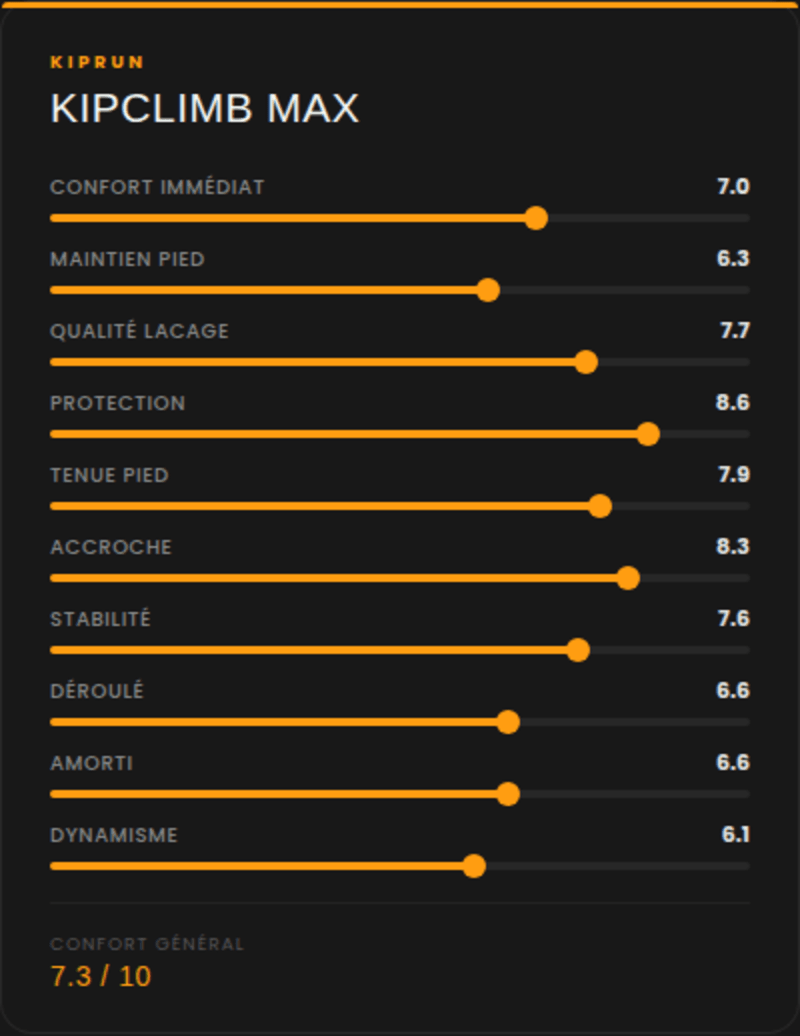
SUMMARY – KIPRUN KIPCLIMB MAX
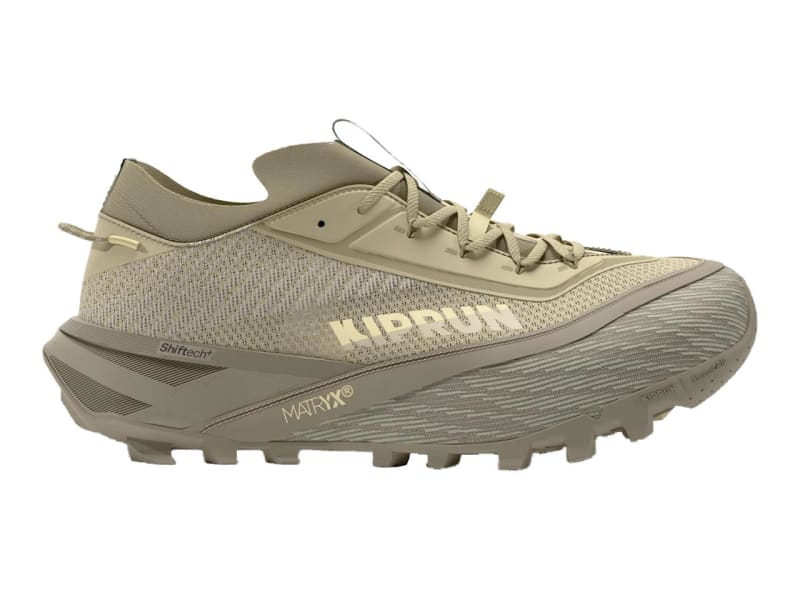
➜ The Kiprun Kipclimb Max is an All Mountain shoe built for security and protection on the most demanding mountain terrain.
From the first step, the Kipclimb Max stands out for its substantial build and high-quality upper, which provide immediate comfort often compared to a slipper-like feel. The wraparound collar closely follows the ankle, although its integrated construction makes the shoe difficult to put on for some users. The lacing system provides effective lockdown, but a recurring issue is pressure around the upper eyelets and tongue when the laces are tightened firmly. The interior volume, particularly in the forefoot, is generous and well suited to wider feet or feet that swell over long efforts.
On the move, foot hold and stability are established strengths. The upper’s structural rigidity secures foot placement on off-camber and unstable ground, delivering reassuring precision. That robustness comes with a substantial weight penalty, however, reducing dynamism and reactivity on smoother sections. A pronounced rocker allows for a smooth rolling motion, but the shoe lacks punch on fast accelerations, with the dense foam prioritising impact protection over energy return.
Grip is a major strength of the Kiprun Kipclimb Max. Its aggressive lugs provide dependable traction on soft ground, wet grass and mud, while shedding debris effectively. Grip remains strong on dry ground, although performance on smooth, wet rock is considered slightly below that of some premium compounds. Overall protection is excellent: the substantial toe bumper and internal upper structure protect the foot from frontal and lateral impacts, while the thick sole smooths out uneven terrain. Mesh breathability is moderate, though, and can create a hot feel during prolonged efforts in high temperatures.
This is a strong choice for trail runners seeking a stable, protective and durable shoe for technical terrain. It is particularly suited to runners of all builds tackling medium- to long-distance formats of up to 70 km, for whom security and grip in wild terrain matter more than outright speed.
SUMMARY – MERRELL AGILITY PEAK 6

➜ The Merrell Agility Peak 6 is a versatile all-terrain shoe in the All Mountain category, designed to meet the demands of technical mountain trails.
The model offers a balanced step-in feel, combining immediate comfort with a close fit that most testers likened to a slipper. The flat-lace system allows precise tightening and includes a functional elastic keeper. While some users appreciate the close fit, a notable trend points to limited forefoot volume that may be uncomfortable for wider feet. A few isolated comments also mention difficulty getting the shoe on because of the collar design.
On the move, foot hold is generally secure, providing welcome placement precision on steep ground. The shoe handles a wide variety of profiles safely, with stability rated positively by a significant share of testers. One technical limitation does emerge in highly technical rock gardens: around one-third of the feedback reports instability or heel slip, attributed to a rear platform that can feel too high or foam that lacks support under the arch.
The Agility Peak 6 is responsive and agile, making it easy to accelerate and maintain a strong uphill pace. The rocker promotes a smooth stride transition, although some testers noted slightly lower efficiency on very smooth, rolling sections because the sole favours impact filtering over outright speed. Grip is the model’s major asset: the outsole provides reliable traction on soft ground, grass and wet rock. Protection is comprehensive, with a robust toe bumper covering the forefoot and a thick sole that effectively blunts ground irregularities. The mesh is also praised for its breathability during prolonged efforts.
The Merrell Agility Peak 6 is aimed at light- to mid-weight runners seeking an agile, protective shoe for everything from short races to ultra distances of 80–100 km. Its versatility and excellent grip make it a sound choice for runners tackling technical mountain trails that demand commitment and strong ground filtering.

SUMMARY – NEW BALANCE REBEL TRAIL

➜ The New Balance Rebel Trail is a lightweight, lively All Mountain shoe that prioritises efficiency and agility on less demanding trails.
It offers a highly comfortable step-in feel, with a plush inner bootie and generously padded tongue that effectively protects the instep from lace pressure. Interior volume strikes a good balance, with a toe box that gives most users welcome freedom of movement. The flat-lace system provides adequate initial hold, although the laces are excessively long and lack a storage system, requiring care to prevent snagging while running.
On the move, the shoe is defined by high reactivity and a lightweight build that favour a strong pace on smoother sections. Responsiveness is a core strength, delivering effective energy return when accelerating. That liveliness comes at the expense of stability as the terrain becomes more demanding: around one-third of testers reported insufficient lateral support on off-camber ground and an ankle that lacked support on uneven surfaces. Foot hold also reaches its limits in technical terrain, where the foot can shift inside the shoe.
Grip is the New Balance Rebel Trail’s main technical asset. Its Vibram outsole and deep lugs provide reliable traction on soft ground, wet grass and mud. Overall protection, however, is the product’s weak point: the toe bumper is considered too flexible to protect the toes from frontal impacts in rock gardens. The thin forefoot sole also offers limited filtering of sharp ground, allowing impacts from pointed stones to come through and restricting the shoe’s use in high-mountain terrain. Mesh breathability is satisfactory, helping manage moisture across varied routes.
This model is aimed at light- to mid-weight runners seeking an agile, comfortable shoe for dynamic outings on rolling or less technical trails. It is at its best over 20 to 60 km, for runners who prioritise ground feel and responsiveness over the robust protection required in the roughest mountain environments.

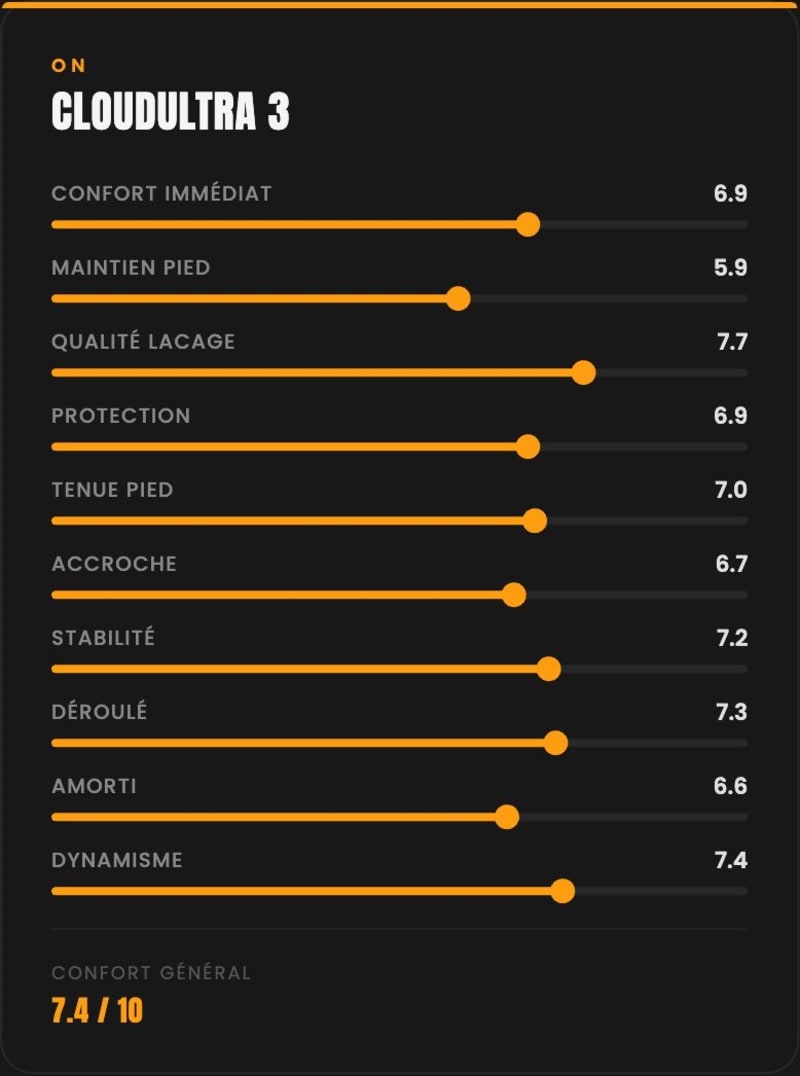
SUMMARY – ON CLOUDULTRA 3

➜ The On Cloudultra 3 is an All Mountain shoe designed to balance protection and stability across a wide range of mountain terrain.
The model offers a highly comfortable step-in feel, compared to a slipper by more than half the testers. The lacing system provides adequate initial hold, supported by a tongue that stays in place and an elastic lace keeper. The fit is generous, especially through the toe box, which helps maintain comfort over time but can reduce precision for narrower feet. One important detail is the pronounced reinforcement beneath the arch and the collar rising towards the ankle bone, both of which can create discomfort or pressure points for certain foot shapes.
On the move, foot hold and stability are among the model’s strengths, creating a reassuring sense of security on uneven ground. The sole promotes a smooth stride through a pronounced rocker that helps maintain momentum. The shoe is lively uphill and on rugged terrain, but a notable trend points to overall stiffness and a lack of snap on flat or very runnable sections, where its weight becomes more apparent.
Grip varies according to the conditions. On dry, technical terrain, traction is considered effective and precise. A clear limitation appears on wet, greasy or snowy surfaces, where testers reported that the lugs lacked bite. Protection comes from a robust toe bumper and durable woven mesh that filter out ground irregularities effectively. The hollowed sole absorbs impacts well, although the low forefoot can make foot placement more demanding on rough sections.
This model is aimed at runners from light to heavy build seeking a reliable, protective shoe for medium- to long-distance training and racing, from 40 to 100 km. The On Cloudultra 3 performs best on varied, non-technical mountain trails, preferably in dry conditions, for runners who prioritise stability and a comfortable ride over outright performance.
SUMMARY – SALOMON ULTRA GLIDE 4
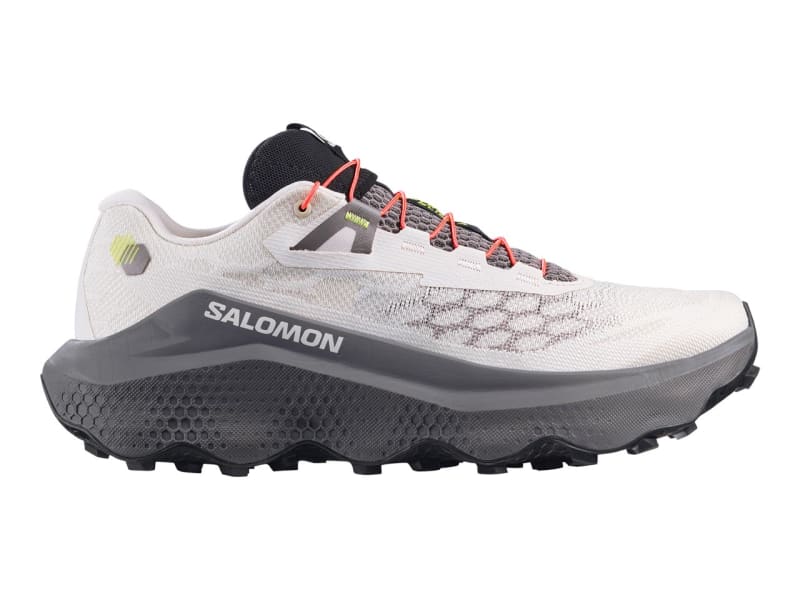
➜ The Salomon Ultra Glide 4 is an All Mountain shoe with generous cushioning, prioritising walking comfort and ground filtering over outright technical performance.
The Ultra Glide 4 delivers an exceptionally comfortable step-in feel, described as slipper-like by a large majority of testers. The collar is soft and the particularly thick, padded tongue effectively prevents pressure from the laces when tightened. The Quicklace system is quick and convenient, but opinions are mixed: while it makes the shoe easy to put on, it does not always allow precise differentiation between tightening zones across the midfoot. Interior volume is generous, giving the toes plenty of room, although a few isolated comments mention a snug fit through the forward midfoot of the upper.
On the move, foot hold and stability are the model’s main concern. A majority of testers reported marked instability, particularly on off-camber sections and irregular ground such as rock gardens. This structural limitation is attributed to the substantial foam stack combined with a midsole density considered too soft, which can reduce foot-placement precision and confidence. Some testers also found lateral support insufficient, with the upper too thin and not supportive enough to control the foot on committed mountain terrain.
The Ultra Glide 4 favours a smooth endurance stride over an energetic toe-off. Around half the feedback points to a lack of snap and a heavy feel on runnable sections, steering the shoe towards a steady pace or fast hiking. Grip is nevertheless a confirmed strength, with lugs providing reassuring traction across a wide range of surfaces. The generous cushioning filters uneven ground extremely well, but physical protection from frontal impacts is less convincing because the toe bumper lacks rigidity and the mesh is relatively exposed.
The Salomon Ultra Glide 4 is aimed at runners of all builds, particularly heavier runners and beginners, seeking maximum filtering for medium- to long-distance outings of 30 to 70 km. Its high comfort and protective cushioning make it well suited to forest trails and firm, non-technical paths, where preserving the feet matters more than chasing outright performance.

SUMMARY – X-BIONIC TERRASKIN X01
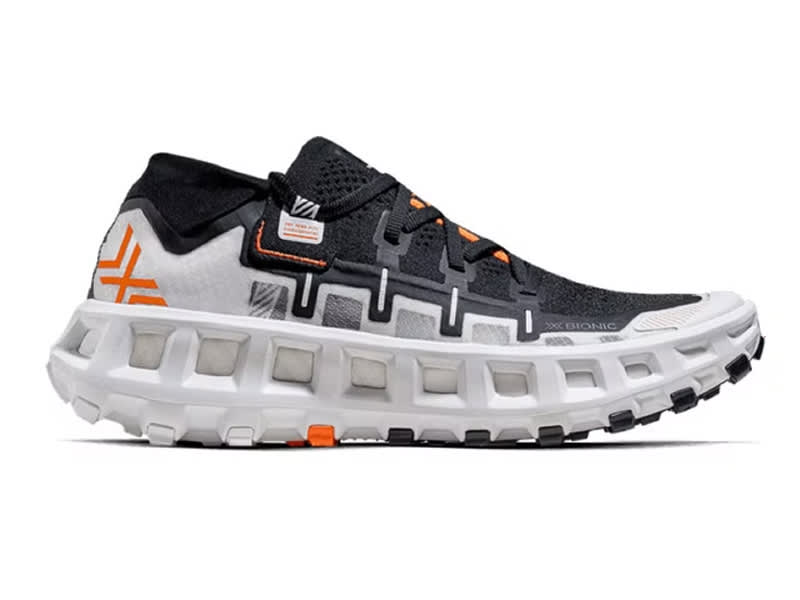
➜ The X-Bionic Terraskin X01 is a robust All Mountain shoe designed to deliver dependable stability and maximum protection on technical mountain trails.
From the first step, the sock-like upper creates an immediate sense of support and a close, secure fit. The high collar works like an integrated gaiter, supporting the ankle and keeping out debris, which enhanced initial comfort for most testers. The fit does have technical limitations for some users: the lack of a conventional tongue can make lace adjustment imprecise and create pressure points across the instep when tightened firmly.
On the move, foot hold and stability are clear strengths. The shoe’s structure secures foot placement on off-camber and unstable ground, with pronounced lateral rigidity preventing the foot from collapsing. This protection is reinforced by a substantial toe bumper and an outsole that rises up the sides, protecting the foot from frontal and lateral impacts in rock gardens. The rigid construction does compromise overall flexibility, however: more than 60% of testers described the shoe as a block lacking natural flex, which can feel uncomfortable on less rugged terrain.
The X-Bionic Terraskin X01’s weight and firm cushioning limit its dynamism. A strong trend points to a lack of reactivity and smoothness, making energetic accelerations difficult on runnable sections. The sole filters ground irregularities effectively, but energy return is moderate. Some testers found the cushioning harsh under the heel, which can contribute to muscular fatigue over long distances. Grip is a major strength, though: the deep, aggressive lugs provide dependable traction on soft and slippery ground, even if grip on wet rock can occasionally fall short.
This model is aimed at mid- to heavy-weight runners, or anyone who prioritises security and stability on demanding mountain terrain. Its durable construction and high level of protection make it suited to technical medium-distance outings where lockdown and robustness matter more than speed.
