
Trail Test Camp by Finishers: The 2026 Awards Are In

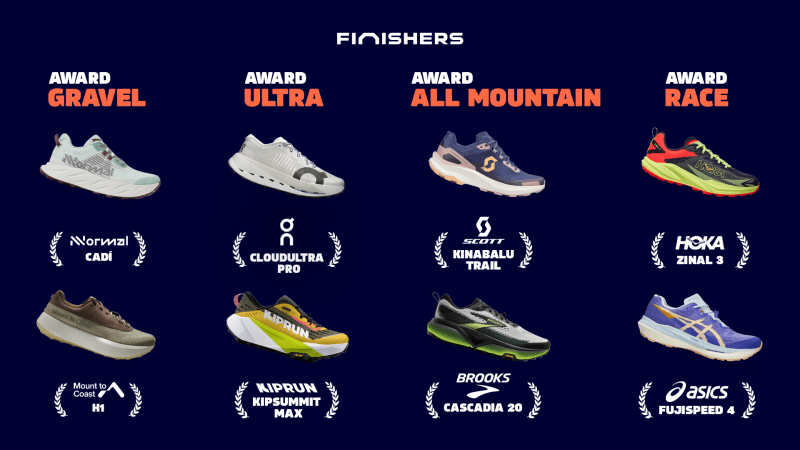
From May 18 to 21, 20 hand-picked testers put the best trail shoes on the market through their paces at the inaugural Trail Test Camp in Le Lioran, Cantal. The Awards, chosen by the testers themselves, are finally here… drum roll, please! 🥁

“Trail Test Camp”: Rethinking trail shoe testing
Powered by Finishers, the “Trail Test Camp” is a first-of-its-kind event aiming to become France’s largest-ever community-driven evaluation of trail shoes. Bringing together experience, real-world testing and digital tools, the event gave 20 runners, 10 men and 10 women of all levels, with no brand contracts, the chance to take part in an exceptional adventure.
The Trail Test Camp’s real strength lies in its testing protocol. Testers completed roughly 40-minute sessions in different models across four key categories: Gravel-All Round, Ultra, All Mountain and Race. One particularly distinctive feature: some tests were carried out in complete darkness, removing visual bias so testers could focus solely on how the shoes felt. After collecting feedback from 20 testers with varied profiles, the findings were compiled into the Awards.
► GRAVEL CATEGORY AWARD
NNORMAL CADÍ

 © NNormal
 © NNormal
 © NNormal
 © NNormal
 © NNormal
The NNormal Cadì stands out in the Gravel category as a confident all-rounder, combining first-rate stability with a minimalist feel suited to mixed terrain.
Straight out of the box, testers praised its lightness and immediately described the fit as balanced and consistent. A generous toe box gives the forefoot room to spread naturally. The traditional lacing system delivers precise lockdown, although some testers noted the lack of a lace garage, with the long laces occasionally getting in the way.
On the move, field testing confirmed outstanding stability and foot hold. The shoe wraps the foot effectively, providing reliable lockdown and precise foot placement. The outsole was one of the model’s undeniable strengths, with testers consistently praising its remarkable stability. That secure platform inspires confidence on the trails, including the more technical sections.
The ride feels balanced and several testers described the shoe as lively, helping maintain an efficient stride. That responsiveness is tempered by a firm underfoot feel. The stiff platform delivers direct energy return, but the cushioning feels dry, with several testers pointing to a lack of bounce and flexibility on asphalt. These traits confirm its adventurous character and close-to-the-ground feel.
Once off the road, the outsole’s grip and traction prove highly effective. The lugs deliver excellent traction on dirt paths, keeping the stride smooth and consistent. A flexible toe bumper provides effective protection against everyday obstacles, although its light construction may be less reassuring in the most aggressively rocky environments.
The NNormal Cadì is a precise, light and stable gravel shoe that prioritises secure lockdown and dependable traction. Its standout qualities are its reassuring stability, exemplary hold and lively ride; its main limitations are the firmness of the midsole and moderate protection against larger obstacles. It will suit runners looking for a technical model for regular outings on mixed routes, including demanding mountain paths.
MOUNT TO COAST H1
 © MOUNT TO COAST
 © MOUNT TO COAST
 © MOUNT TO COAST
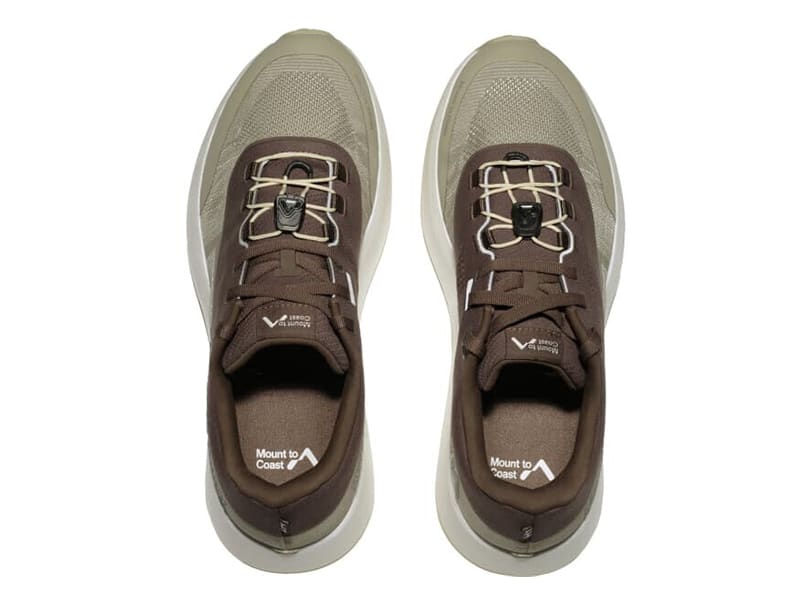
The Mount to Coast H1 is a technical Gravel option with a low-slung design that combines lightness and flexibility.
The shoe feels light and comfortable from the moment you put it on. The fit is precise and close to the foot, while the high-quality mesh promotes excellent breathability. Its most striking feature is the lacing system, which uses two separate tension settings for the forefoot and the upper foot.
Field testing confirmed the system’s remarkable effectiveness. Testers called the lacing exceptional, delivering consistent, rigorous hold across the foot. Lockdown is particularly strong around the rearfoot, keeping the heel firmly in place. That excellent hold directly contributes to a high level of stability, with testers describing the shoe as reassuring and secure on mixed surfaces.
The ride is balanced and responsive. Described as smooth and dynamic, the shoe works equally well for easy runs and faster sessions. Its low-slung profile sometimes feels almost minimalist, encouraging a close-to-the-ground stride. Overall cushioning feels soft, although some testers reported limited impact protection or less cushioning under the forefoot.
Off the asphalt, the outsole’s small lugs provide good grip, particularly on uphill dirt paths. Several testers did, however, report a more slippery feel or limited traction on certain surfaces. Peripheral protection is another weakness, with the toe bumper considered insufficient for obstacles on the most technical terrain.
The Mount to Coast H1 is aimed at runners of all builds looking for a versatile shoe for road-to-trail outings, including ultramarathon distances on smooth terrain. It handles a wide range of routes, from urban trails to non-technical paths, where its comfort, lightness and precise lacing make it easy to hold a steady pace with confidence.
► ULTRA CATEGORY AWARD
ON CLOUDULTRA PRO
 © On
© On © On
© On © On
© OnThe On Cloud Ultra Pro is a hybrid Ultra trail model focused on performance and a smooth ride across runnable, relatively gentle trails.
From the first step in, it stands out for its high level of comfort, helped by a thin tongue that follows the foot’s anatomy without creating pressure points. The lacing system is a notable technical feature: toothed laces maintain the initial tension and prevent loosening during the effort.
The upper uses structured, highly breathable mesh for excellent temperature regulation. Some testers did report ergonomic quirks around the ankle bone or arch, where a slight prominence may be noticeable depending on foot shape. The internal volume is not excessively snug and provides good lockdown once tightened.
On the trail, dynamism and lightness are the model’s defining strengths. The foam delivers effective energy return, while the rocker promotes forward propulsion, making the shoe particularly effective on fast, runnable sections. That pursuit of speed comes with a clear trade-off: pronounced instability, flagged as a technical limitation by some testers. The shoe tends to roll outward under load, especially on uneven ground and for heavier runners, limiting its use on technical terrain.
Protection is a mixed bag for an ultra-distance shoe. Some users found the toe bumper sturdy, but the midsole provides only moderate impact filtering. The close-to-the-ground feel improves short-term precision, yet may offer less protection over many hours. Grip is functional on dry, compact trails, while the lug pattern becomes less predictable on wet or loose surfaces. The mesh’s overall durability was nevertheless considered suitable for regular use.
This model is aimed at light- to medium-weight runners looking for a dynamic, breathable shoe for distances ranging from short races to ultras. The On Cloud Ultra Pro comes into its own on runnable forest and mountain routes, where its ability to accelerate and its step-in comfort matter more than the maximum stability and protection demanded by high-mountain ultras.
KIPRUN KIPSUMMIT MAX
 © KIPRUN
 © KIPRUN
 © KIPRUN
 © KIPRUN
 © KIPRUN
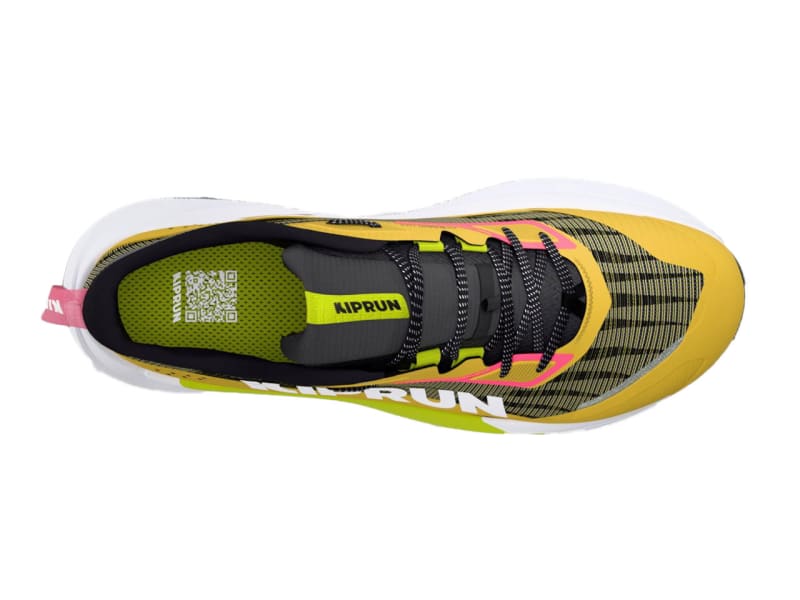
The Kiprun Kipsummit Max is built for prolonged endurance in the Trail Ultra category, combining generous cushioning with a protective structure for long distances.
Comfort is immediate, with most testers describing a slipper-like feel. Extensive padding around the collar and a particularly thick tongue create a soft, enveloping fit. The generous internal volume is a major feature: the very roomy toe box allows complete freedom of movement, although some users found the shoe cumbersome or “like a boat” when standing still. The lacing system provides adequate initial lockdown, despite repeated comments that the tongue feels too short.
In motion, foot hold and stability are the main areas to watch. Around one third of testers reported instability and insufficient lockdown, particularly around the heel and midfoot. That structural softness can create a floating sensation during rebound phases or on insecure footing, reducing anti-fatigue support on the roughest terrain. The thick foam does, however, provide reassuring stability for heel strikers on descents.
The transition and ride are among the model’s strengths. A pronounced rocker eases the move forward and supports efficient acceleration, helping preserve stride smoothness over many hours. The very soft cushioning provides comprehensive impact filtering through its high stack, protecting the body from repeated impacts.
Grip and protection confirm the shoe’s all-terrain ambitions. The outsole delivers dependable traction through conventional lugs and works across a broad range of surfaces. Protection is another strength, with a large, rigid toe bumper shielding the forefoot from obstacles. Structured, breathable mesh completes the robust package and helps protect the foot over time.
This model suits runners of all builds, from lightweight to heavier athletes, who want long-lasting comfort and maximum impact protection. The Kiprun Kipsummit Max is particularly well suited to ultra-trail races and very long outings on varied trails, where protecting the body and managing fatigue matter more than pinpoint foot placement.
► ALL MOUNTAIN CATEGORY AWARD
SCOTT KINABALU TRAIL
 © SCOTT
 © SCOTT
 © SCOTT
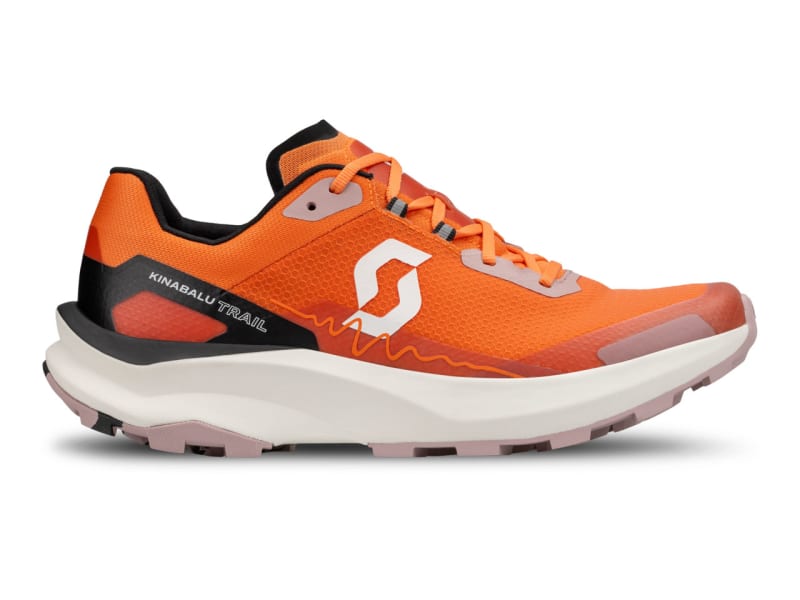
The Scott Kinabalu Trail is a light, dynamic platform in the All Mountain category, prioritising agility and energy return across a wide variety of trails.
It offers immediate comfort, often described as a bucket-seat feel, thanks to a thin, flexible tongue that follows the instep closely. The fit features a wide toe box with plenty of forefoot room, improving long-distance comfort while retaining generally precise lockdown. A recurring technical issue is the lacing: nearly half the testers found the laces too thin and slippery, making it harder to achieve a stable, optimal fit. A small number also reported discomfort linked to the collar height.
On the move, lightness and dynamism are the model’s defining traits, confirmed by more than two thirds of testers. The firm cushioning delivers efficient energy return, making the shoe playful and responsive when accelerating on flat or uphill sections. That liveliness is matched by reliable grip: the outsole and pronounced lugs provide strong traction across a broad range of surfaces, including soft and wet ground, inspiring confidence in every step.
Foot hold and stability are satisfactory on most terrain thanks to the low platform, which encourages precise foot placement. Stability can nevertheless fall short on the steepest or most cambered trails, where the flexible foam and thin upper may allow a slight amount of foot movement inside the shoe. Protection is a clear technical limitation for the category: more than half the testers noted a lack of lateral reinforcement and a toe bumper that feels too minimal or narrow. While that design keeps the shoe light and breathable, it leaves the foot more exposed to direct impacts in rock gardens and highly technical mountain terrain.
The Scott Kinabalu Trail is aimed at light- to medium-weight runners looking for an agile, high-performance shoe for races from 10 to 50 kilometres. Its dynamic profile and excellent ground feel make it a strong option for experienced runners seeking to optimise their pace on varied trails, provided they accept limited protection on the roughest high-mountain routes.
BROOKS CASCADIA 20
 © BROOKS
 © BROOKS
 © BROOKS
 © BROOKS
 © BROOKS
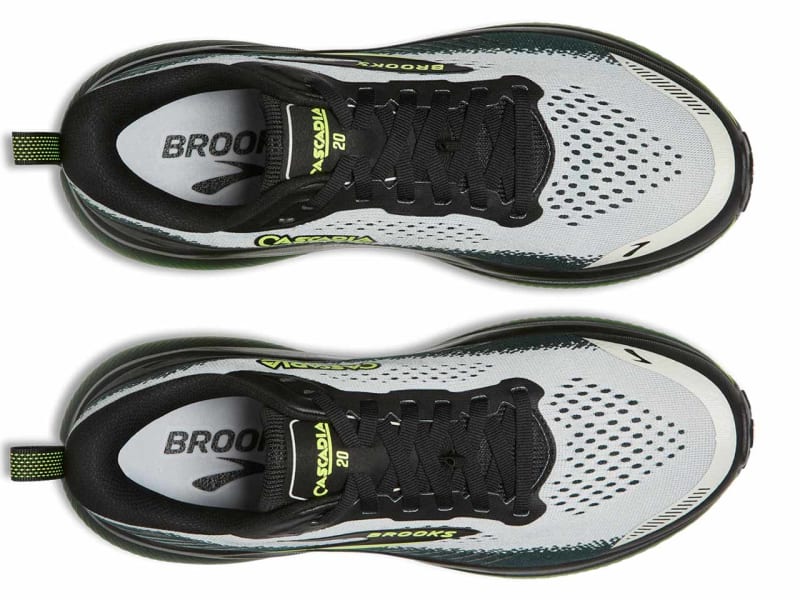
The Brooks Cascadia 20 is a versatile platform in the Trail / All Mountain category, balancing protection and comfort across varied routes.
The shoe feels highly comfortable from the first step, with a plush feel praised by a large majority of testers. Generous padding around the collar and heel makes for a soft, welcoming fit. The lacing system, with flat laces secured by an elastic lace garage on the tongue, provides effective initial lockdown. The fit is relatively close, however, and some users found the toe box narrow, favouring precision at the expense of room for wider feet.
Foot hold and stability are areas to watch. While lockdown is considered adequate on smooth trails, more than half the testers reported clear instability once the terrain became technical or cambered. The ankle can lack support on insecure footing, reducing confidence when committing on challenging ground. The outsole ride is better judged, offering a good balance of comfort and dynamism. The shoe transitions smoothly and energetically on flats and climbs, helped by a rocker that eases the stride transition.
Grip is a major strength of the Brooks Cascadia 20. Its outsole, equipped with effective lugs and Vibram technology, provides reliable traction across a wide range of surfaces, including rock gardens and loose ground. Foot protection is another established strength, thanks to a solid toe bumper that shields the forefoot and a sufficiently thick sole that filters terrain irregularities and rocky impacts. The mesh can feel thick and less breathable in hot weather, but it adds structure and contributes to the upper’s overall durability.
This is a versatile option for runners of all levels looking for a stable, robust shoe for distances from 20 to 60 kilometres. Its protective cushioning and technical grip make it especially suited to mid-mountain routes and varied terrain for runners who prioritise impact protection and long-run comfort, while accepting some loss of stability on the most technical trails.
► RACE CATEGORY AWARD
ASICS FUJISPEED 4
 © ASICS
 © ASICS
 © ASICS
 © ASICS
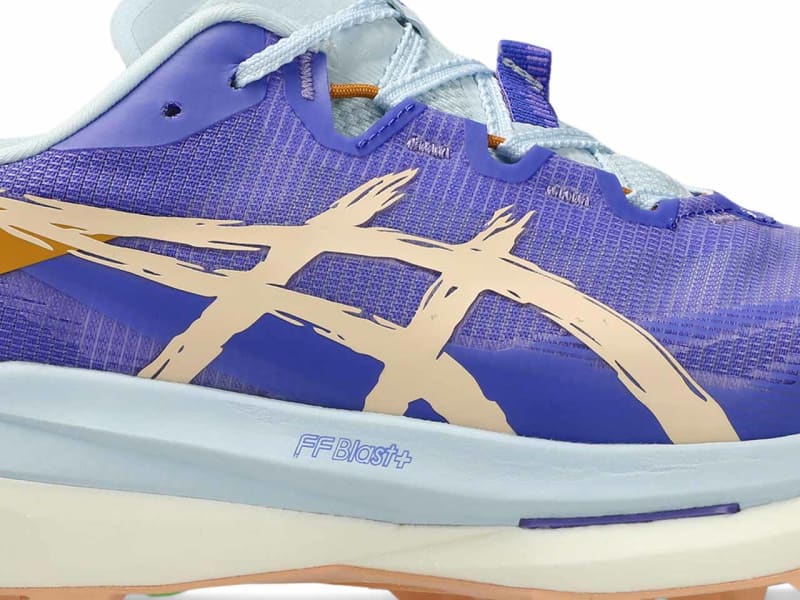
Firmly performance-oriented, the Asics Fujispeed 4 stands out for its light weight and sharp responsiveness, built to support high speeds in the Trail Race category.
The shoe feels notably light and precise, wrapping the foot securely. Quality padding around the collar and heel provides welcome comfort despite the upper’s minimalist profile. The lacing system is a technical weakness identified by nearly 60% of testers: the laces are considered too thin and sometimes too short, making it harder to fine-tune the fit and potentially causing pressure from the top of the tongue. The internal volume is close, with moderate forefoot freedom, making the shoe best suited to narrow to medium-width feet.
In a race, dynamism and mechanical efficiency are the model’s defining traits. A synthetic plate combined with a pronounced forefoot rocker creates a smooth transition and efficient propulsion, particularly on runnable sections and climbs. The firm cushioning prioritises energy return over impact filtering. That close-to-the-ground feel and stiff platform demand accurate foot placement: around one third of testers reported imperfect lateral stability and a tendency for the heel to lift on cambered or highly uneven trails.
Grip varies significantly with the weather. The lugs provide reliable traction on dry dirt paths, but 41% of testers questioned the rubber’s effectiveness once the ground became wet. Losses of traction were common on wet rock slabs and roots, limiting commitment on technical routes in the rain. Protection comes from a flexible toe bumper and robust mesh, but the overall package remains minimalist. Beyond 40 kilometres, limited filtering of sharp terrain may lead to premature foot fatigue from repeated impacts on rocky ground.
This model is exclusively for trained, competitive runners seeking to optimise their time over distances from 20 to 50 kilometres. The Asics Fujispeed 4 comes into its own on rolling, relatively non-technical trails, where its lightness and ability to accelerate help maintain a high pace, provided the ground stays dry.
HOKA ZINAL 3
 © HOKA
 © HOKA
 © HOKA
 © HOKA
 © HOKA
 © HOKA
 © HOKA
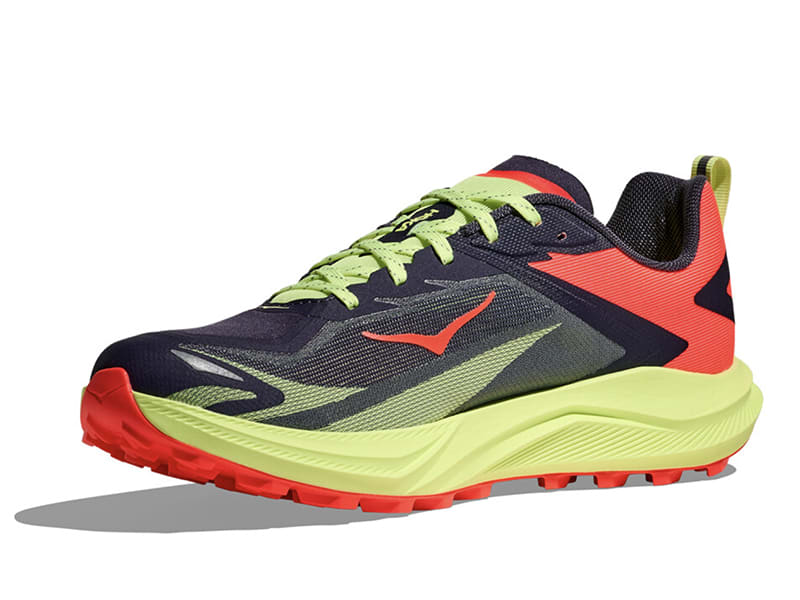
With the Hoka Zinal 3, Hoka showcases its expertise in a performance-focused shoe without a carbon plate. Versatile, light and affordable, the Zinal 3 won over our testers.
The Zinal 3 delivers a precise, secure and enveloping fit, particularly well suited to runners with narrow feet. Testers praised its immediate comfort, helped by a flexible upper that follows the foot without creating significant pressure points. The traditional lacing system is simple and effective, although some users noted the lack of a lace garage. The shoe’s low construction also creates a close-to-the-ground feel from the first steps.
On the trail, dynamism and responsiveness are the shoe’s strongest assets. The midsole provides firm cushioning that favours sharp acceleration and pace optimisation across a range of profiles, without the assistance of a carbon plate. That agility is matched by outstanding foot hold and stability, allowing technical sections to be tackled with ease and highly precise foot placement. The shoe encourages a natural, fluid stride and feels particularly at home through rapid changes of direction.
Grip is a major technical asset, with deep, aggressive lugs delivering excellent traction on soft ground, grass and mud. Overall grip is strong on dry trails but less convincing on wet rock slabs, where traction can become more precarious. Protection is minimalist: terrain filtering is adequate for shorter races, but the light toe bumper offers limited defence against frontal impacts on very rough ground. The mesh also raises minor questions about durability and breathability during prolonged exposure to high temperatures.
This model is aimed at light, well-trained runners looking for an agile, responsive shoe for short to medium distances. The Hoka Zinal 3 is an ideal choice for runners with sound foot placement who prioritise efficiency and ground feel on technical or runnable trails.