
Frédéric Tranchand on winning OCC 2026: “Winning in Chamonix really makes a splash”
 © UTMB
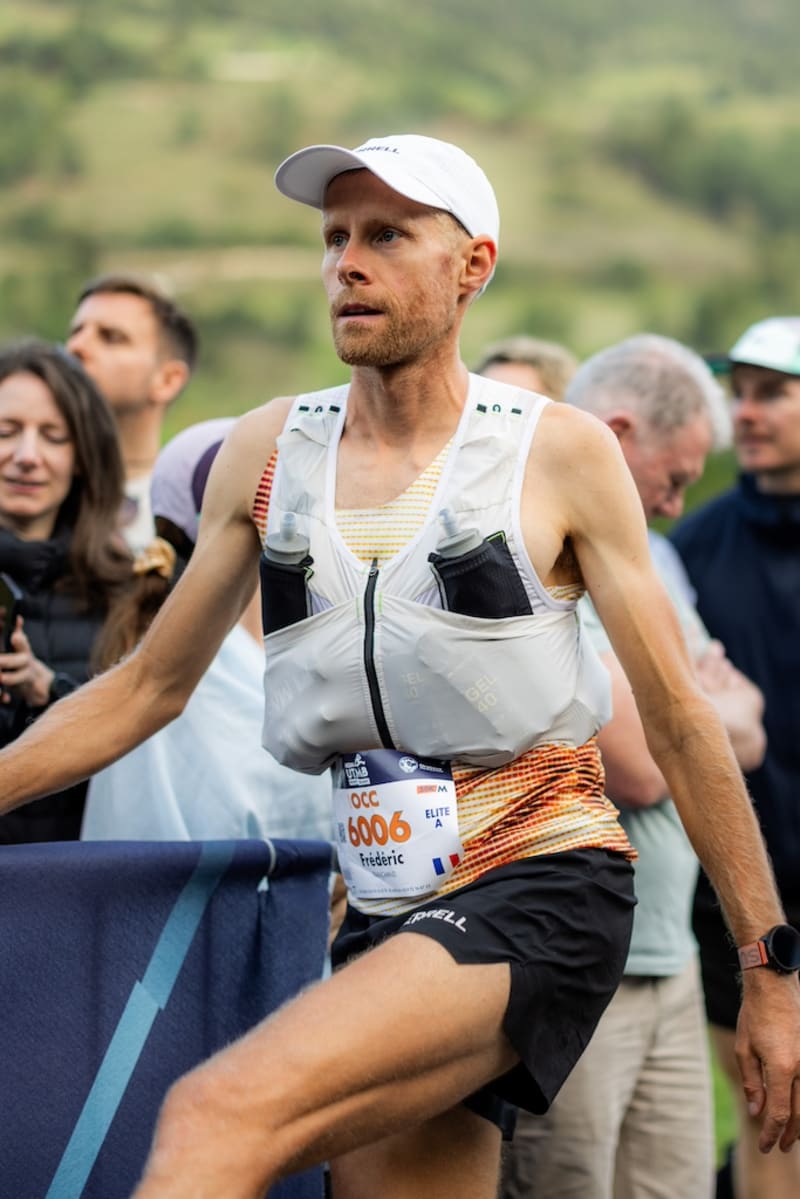
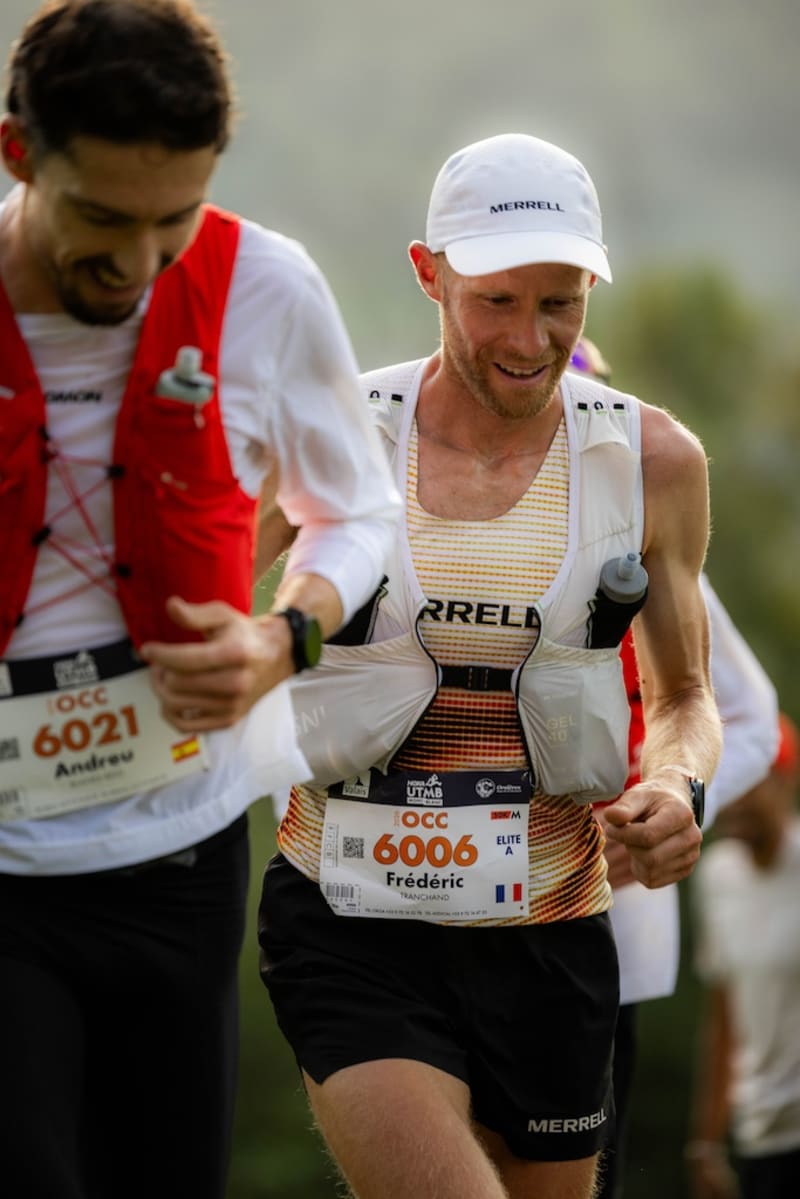
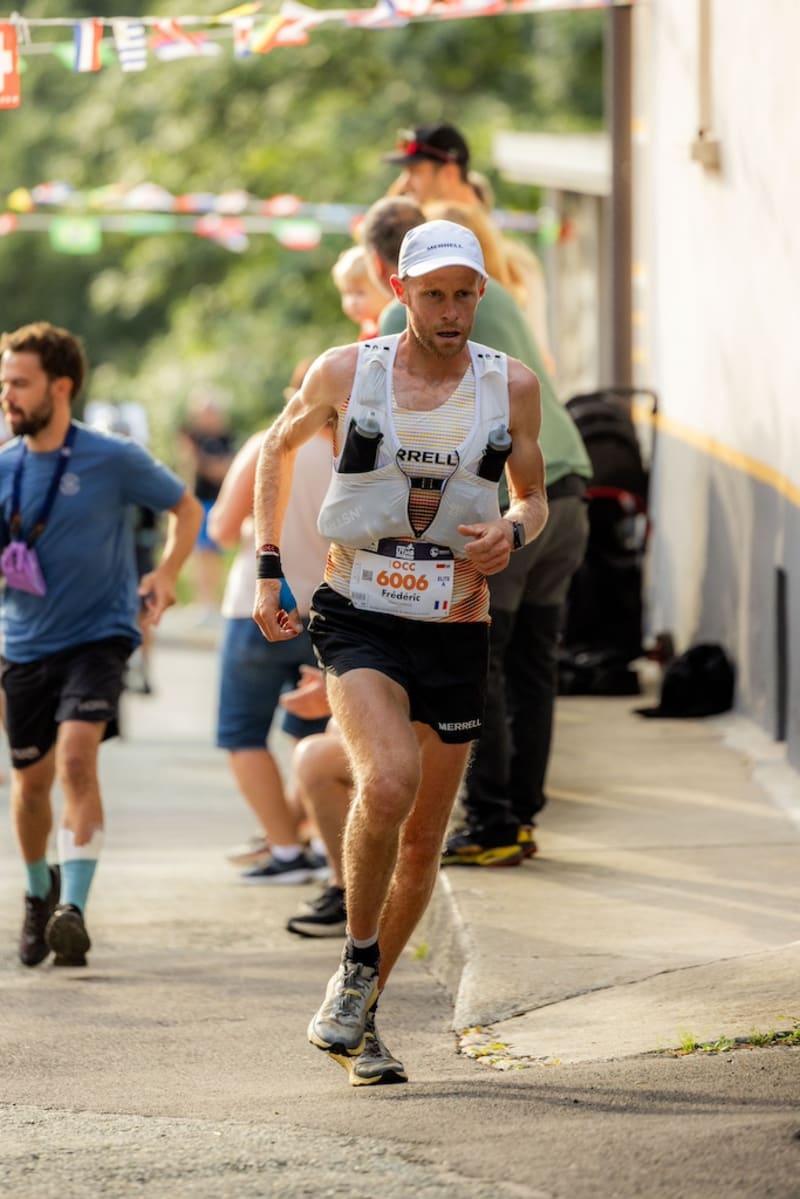
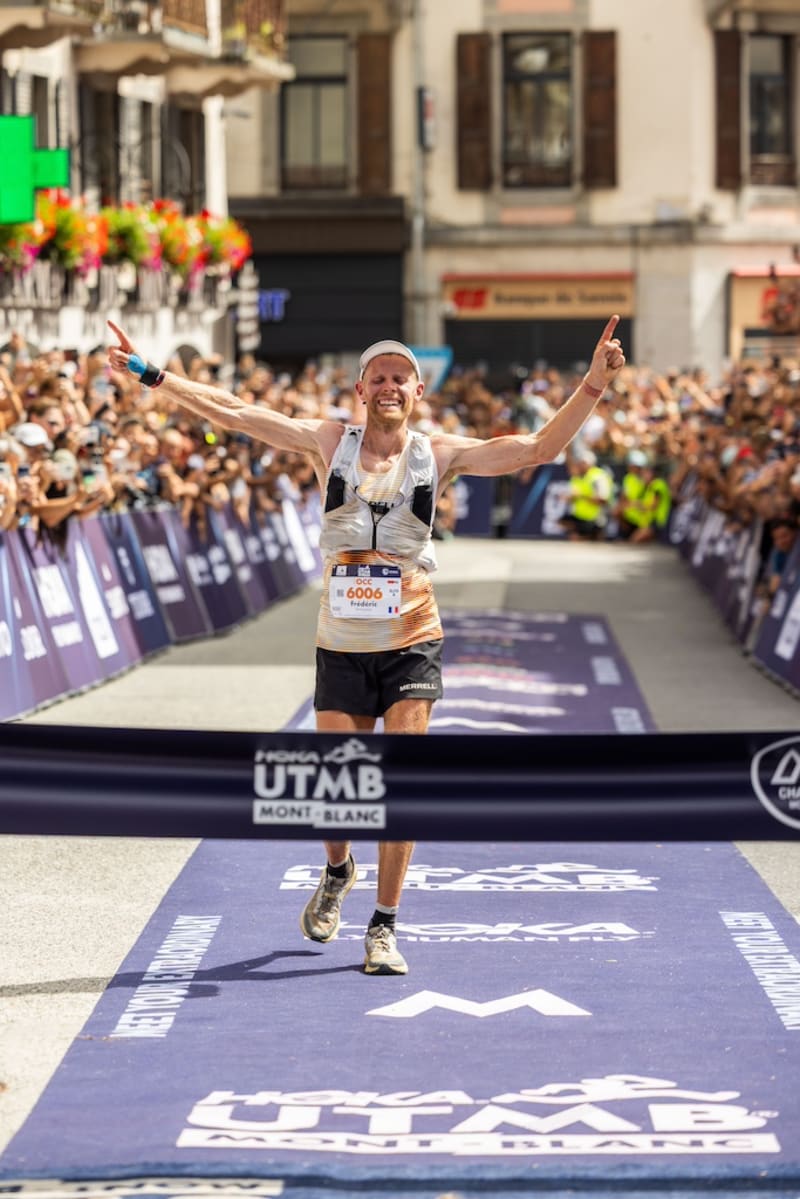
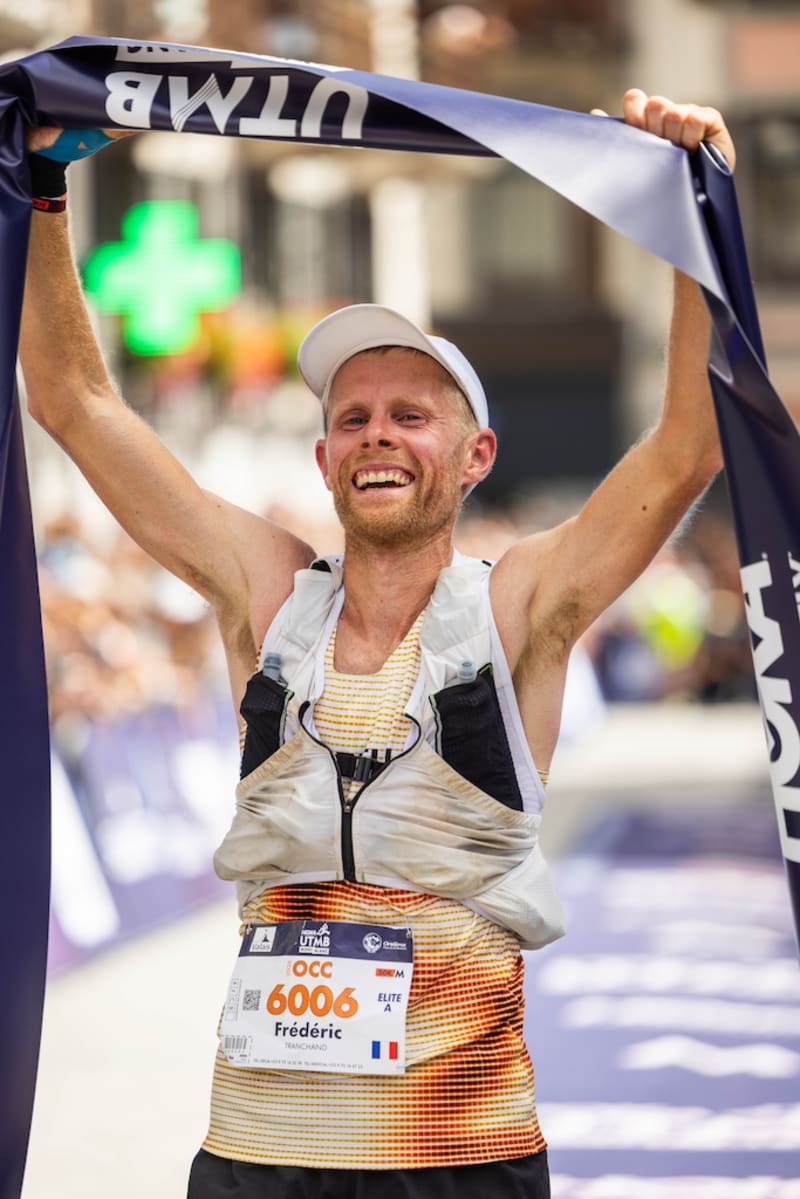
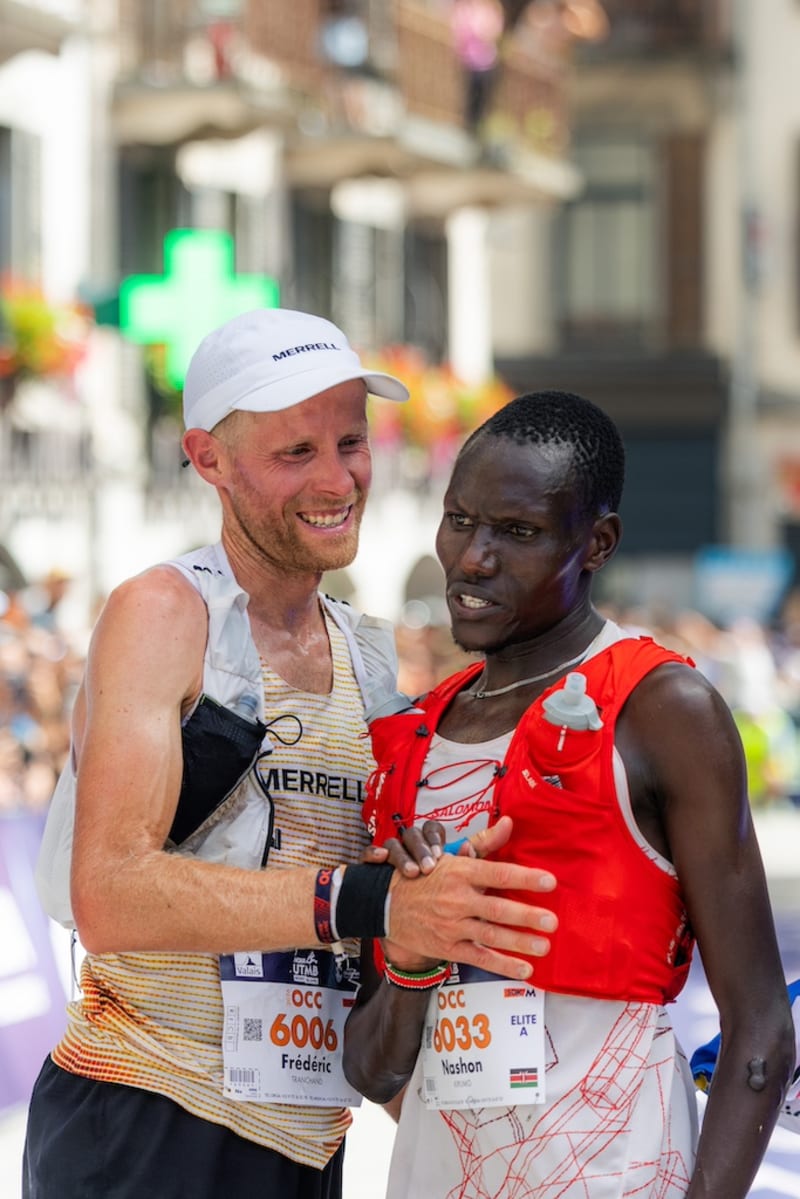
At his first event during UTMB week, and over such a long course, Frédéric Tranchand, the 2025 short trail world champion, made quite an entrance by dominating the latest OCC (60 km and 3,500 m of elevation gain). A few weeks after his breakthrough performance, the Merrell athlete looks back on his resounding victory for mytrails.com.
Frédéric, how have you processed your OCC victory?
It was a major goal for my season, and perhaps even more than that. So first of all, I was really pleased to have achieved it. I was also happy with the way it unfolded, taking a lead fairly early and holding on to it all the way to the finish. That was pretty special. Today, I realise the significance and impact of this victory. In trail running, winning one of the UTMB races is a real benchmark. It gives you maximum visibility and exposure. Winning in Chamonix really makes a splash. Personally, I may still rate my 2025 short trail world title even higher, although it probably attracted less attention.
When you say it was one of your goals for the season, or perhaps even more, what do you mean? Is winning one of the UTMB Mont-Blanc races a career goal?
I think ticking off the OCC, even over several years, is a career goal for any trail runner, yes. I was fairly cautious before the start because it is a pretty long distance, and I wanted to make sure I was ready for it. Until then, I had raced over shorter distances, and for me the OCC was already an ultra-trail race. It is 60 km with more than 3,500 m of elevation gain, so I had a lot of respect for the course. I may not have felt ready to take it on straight away, so it took several years before I decided to give it a go.
 © Pierre Vieira/Merrell
 © Pierre Vieira/Merrell
 © Pierre Vieira/Merrell
I imagine the longer distance affected your preparation and training. If so, how did you prepare for the race?
I moved to Argentière, not far from Chamonix, in May 2026. I shared a place there so I could get a feel for the terrain and the course. I was able to prepare fully for this race. Last year’s world championships were almost comparable in terms of race time, within 20 to 30 minutes or so. I wasn't stepping into completely unknown territory, and I was able to follow an almost identical preparation plan, starting the season with skyrunning races in the spring, then taking a break from competition over the summer while training specifically for the OCC. I did long mountain runs and plenty of course-specific work on the OCC route. There were sections I knew like the back of my hand, so I think that gave me a little extra help.
Did you feel the weight of being the world champion on your shoulders?
I’ve got used to it. At almost every race I do, I’m announced as the favourite, the reigning world champion, so I was prepared for it and it didn’t really affect me.
You started at elite level in orienteering, then moved into skyrunning and short trail. Does this OCC success open the door to a new career in ultra-trail?
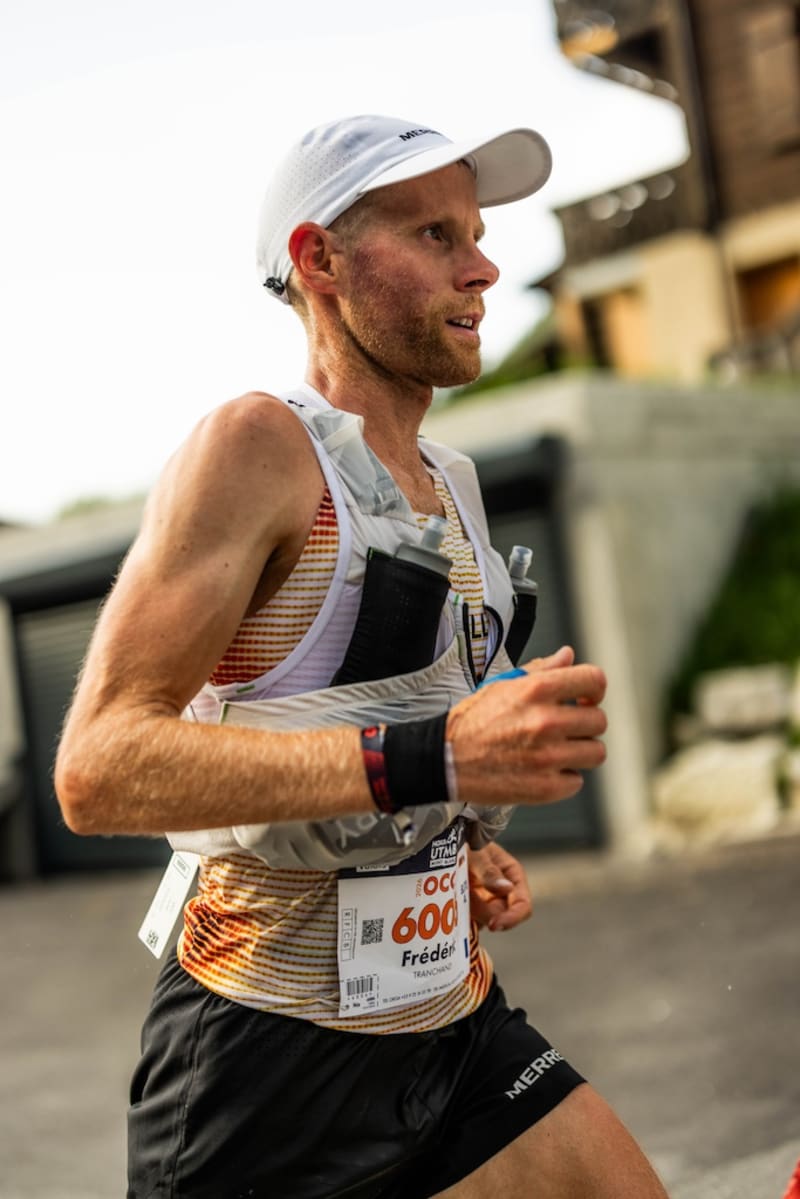
Maybe not a new career, but it would be a logical continuation. It confirms that I can perform over these longer formats. I realise that on shorter distances, such as the Golden Trail Series circuit, I have less and less chance of battling it out with the best, whereas over 45 to 60 km I can really manage my effort well, push myself to the limit and hold the distance. That probably wasn't the case two or three years ago.
 © Pierre Vieira/Merrell
 © Pierre Vieira/Merrell
What were the two or three days after your OCC like? Did you get to enjoy the event?
Honestly, living locally but far enough from Chamonix was a good compromise. I was able to sleep at home every night, which was great, and the day after my race I could respond to various requests. The rest of the weekend was quieter, and I was able to get out onto the courses for the other races, especially to cheer on my housemates at the CCC, in the rain, on the final climb. Or follow the UTMB from home.
Are those kinds of races inspiring to you, or do they seem inconceivable?
Of course they’re inspiring. There’s no question about that. But from a performance standpoint, it’s obviously very different. Managing a race over 20 or 24 hours is a completely different proposition. I certainly couldn’t charge off like a maniac on the first climb. But I think I’ll take it on one day. I’d really like to give it a try. Whether I would perform well is another matter. You can’t know until you’ve tried. For now, I don’t want to spread myself too thin.
What does the rest of your 2026 season look like?
I committed to the Skyrunning World Series, so I have two races left on the schedule, including the final in Spain on 7 November.
 © Pierre Vieira/Merrell
 © Pierre Vieira/Merrell
 © Pierre Vieira/Merrell
What will you turn to over the winter? More and more trail runners are taking up ski mountaineering. Is that something you do?
I spent quite a few years in Scandinavia, particularly Finland, when I was an orienteer, and that’s where I discovered cross-country skiing. I’ve kept it up, adding a little ski touring, although not too much because I’m worried about getting injured. I like alternating between sports throughout the year, including mountain biking and road cycling during the season. In winter, I also do two strength-training sessions a week.
What do you think orienteering has brought to your approach to trail running?
Almost all the athletes of my generation came from another sport. These days, young athletes specialise in trail running very early. I came from orienteering, and it shaped me. I’ve been following strict, structured and serious training for more than 20 years, and that background helps me today. Orienteering also gives me a real edge when it comes to reading the terrain, especially when there isn’t a clearly defined trail on a ridge or summit. It helps me choose the best lines, or pick the route where the running is easiest.